Autor: Mafe Pavanello

  • Os uniformes para o NHL Winter Classic de 2022 estão aqui

    Os uniformes para o NHL Winter Classic de 2022 estão aqui

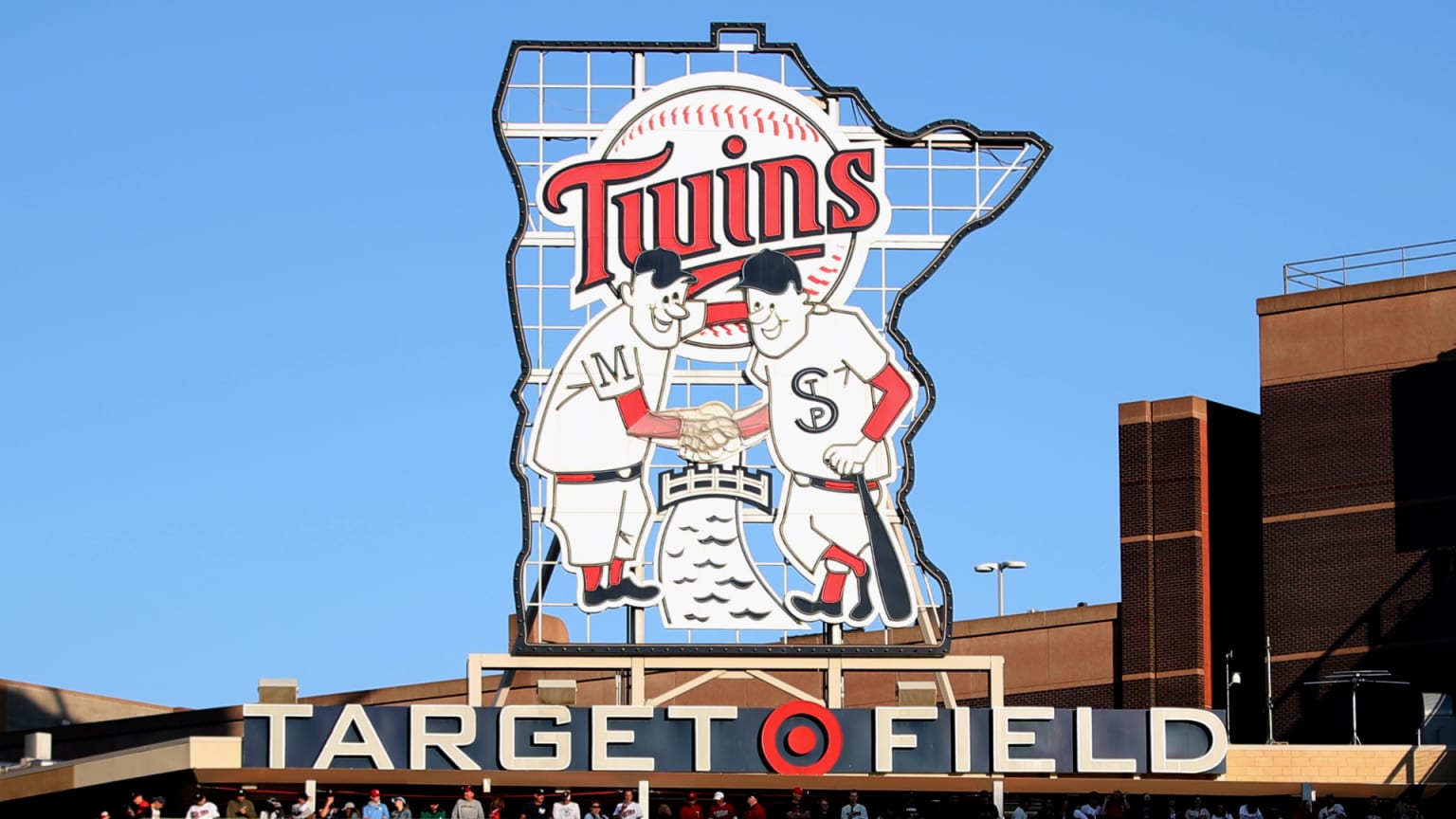
    Na manhã do último sábado (04), o Minnesota Wild divulgou a camisa que a equipe usará durante o NHL Winter Classic de 2022, que acontecerá em 1º de janeiro de 2022, no Target Field, casa do Minnesota Twins (MLB), em Minneapolis. Menos de uma semana depois, o adversário da equipe no evento, St. Louis Blues, também pôs fim ao suspense e divulgou os uniformes completos para o dia de Ano Novo. É apenas a segunda vez que tanto os Blues quanto o Wild disputam uma partida outdoor.

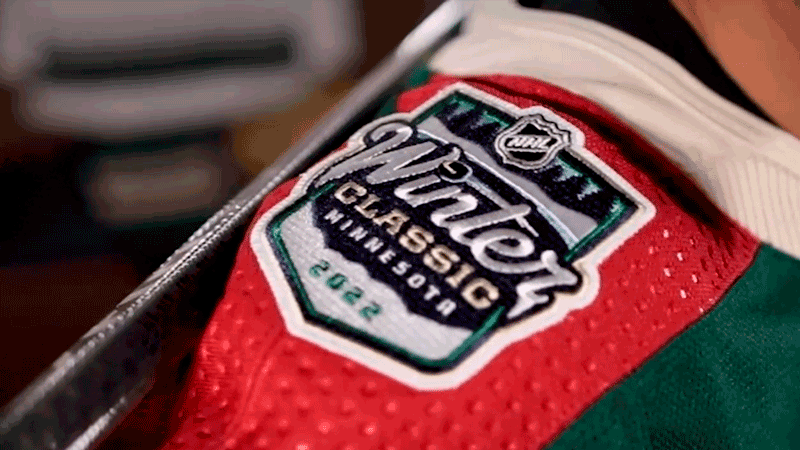
    Ambos os times haviam publicado “espiadinhas” em suas redes sociais, mantendo os seguidores atentos à novidade por alguns dias antes dos anúncios oficiais. Com essa divulgação, também conhecemos pela primeira vez o logo oficial do NHL Winter Classic de 2022. Será o primeiro jogo ao ar livre da NHL aberto ao público desde a pausa na temporada 2019-20 por conta da pandemia, e a partida é válida pela temporada regular para as duas equipes.

    State of Hockey

    Segundo o anúncio oficial do Minnesota Wild, a camisa foi “desenhada para celebrar o rico pedigree de hockey do estado (de Minnesota), a rivalidade entre as Twin Cities, e seu legado como o Estado do Hockey”. No design encontramos elementos inspirados nas equipes de Minneapolis e St. Paul das décadas de 1920, 30 e 40, como as listras na base da camisa e a escolha da fonte. “Com o jogo acontecendo na casa do Minnesota Twins, nós certamente canalizamos o espírito de Minnie e Paul para nosso suéter do Winter Classic”, disse o consultor sênior de marca do Minnesota Wild, John Maher.

    As duas estrelas no centro representam a constelação de Gêmeos, em referência às “cidades-gêmeas” de St. Paul e Minneapolis. No meio, a silhueta do estado de Minnesota simboliza a união das cidades para representar a capital do estado. Esta ideia é reforçada pelos nomes (MPLS. e ST. PAUL) arqueados em torno do desenho principal, enfatizando como as cidades convergem em torno do esporte local e seus times.

    Respectivamente: uniforme do St. Paul Saints (1925-1963); foto do elenco do Minneapolis Millers (1915-1963) (reprodução/Vintage Minnesota Hockey)

    O foco no “Estado do Hockey” é evidenciado pela falta de uma referência direta ao Minnesota Wild por meio de logos ou mesmo o nome da equipe. O design manteve a paleta tradicional de verde escuro e vermelho do Wild, e o “branco vintage” que vemos nas listras e escritos reflete as origens do hockey nos lagos congelados. Já os cotovelos reforçados representam as “longas horas de desgaste no amado equipamento de hockey”.

    (Foto: Twitter @mnwild)

    Não é a primeira vez no Winter Classic em que um time quebra a expectativa de reproduzir um único uniforme do passado e, no lugar, cria algo completamente novo com elementos que evocam nostalgia e um ar de “velhos tempos”. Em 2020, tanto o Dallas Stars quanto o Nashville Predators utilizaram dessa estratégia de “fauxback” (throwback “falso”) para criar seus uniformes no Winter Classic daquele ano. É uma tendência que devemos ver cada vez mais, principalmente entre equipes sem um longo histórico de uniformes diferentes ou que se juntaram recentemente à liga.

    Back to Basics

    Apenas alguns dias depois de conhecermos o look do Wild para o evento, o St. Louis Blues revelou que também divulgaria a nova camisa em breve. Na noite de sexta (10), a equipe publicou um vídeo apresentando o uniforme, e confirmando algumas suspeitas vazadas mais cedo naquele dia. Enquanto seu adversário ao norte combinou diferentes elementos em uma nova camisa, St. Louis decidiu se inspirar em sua primeira camisa e manter-se fiel às origens da equipe.

    Os Blues optaram por um design claro, em oposição ao verde escuro de Minnesota. A base da camisa tem cor creme, e é um reboot dos uniformes da temporada inaugural da equipe, em 1967-68. A nota musical no centro é similar ao logo original do time usado em seu primeiro ano, feita de feltro e com o traçado amarelo bordado para dar um toque mais velha-guarda. As listras azuis e amarelas nas mangas e barra da camisa também acompanham o design original, bem como as fontes que se assemelham às usadas em 1967.

    (Foto: Reprodução/sportslogos.net)

    O lançamento contou com grande participação do elenco dos Blues. O capitão Ryan O’Reilly e o atacante David Perron estrelaram o vídeo promocional, enquanto Brayden Schenn e outros jogadores compareceram a um jogo do St. Louis Cardinals (MLB) para mostrar a nova camisa ao público um pouco antes da partida de baseball começar. “Eu acho que (as camisas) parecem inacreditáveis, para ser sincero,” comentou Perron ao stlouisblues.com. “Eu sei que os fãs vão gostar muito delas. Estamos muito animados e temos sorte de participar de mais um Winter Classic, então vai ser especial”.

    “É bem legal ter cores vintage. Isso me lembra das primeiras camisas que os Blues usaram,” disse O’Reilly. “Vendo isso, eu só penso na história. Você sente o jogo, como era jogado bem antes de você e a história da cidade. As camisas são muito legais, elas ficaram ótimas. Fizeram um trabalho e tanto com elas”.

    (Foto: Twitter @StLouisBlues)

    Nota-se que não é a primeira vez que St. Louis remete aos uniformes de sua temporada de expansão na NHL. Em 2017, o time usou a versão azul do modelo no Winter Classic contra o Chicago Blackhawks, que venceram por 4-1 no Busch Stadium. Para os fãs colecionadores, agora é possível ter o set completo de camisas “retrô” atualizadas pela NHL e a Adidas. Tanto os uniformes do Minnesota Wild quanto o do St. Louis Blues já estão disponíveis para compra na loja oficial da NHL (compra internacional).

    A próxima temporada será importante para a retomada destes eventos especiais na NHL. Além do Winter Classic, ainda esperamos ver pelo menos outras duas partidas ao ar livre em 2022. A Stadium Series entre Nashville Predators e Tampa Bay Lightning está marcada para o dia 26 de fevereiro, no Nissan Stadium, em Nashville, Tennessee. Também especula-se que a liga anuncie um Heritage Classic entre Buffalo Sabres e Toronto Maple Leafs, que seria realizado em 13 de março, em Hamilton, Ontario, segundo diversas fontes.

    Foto: Reprodução/nhl.com

  • Star+ é a nova casa da NHL no streaming

    Star+ é a nova casa da NHL no streaming

    A quase 40 dias do início da temporada 2021-22 da NHL, o fã de hockey recebeu uma notícia animadora nesta terça-feira (31) sobre como acompanhar a maior liga de hockey profissional do mundo no mercado brasileiro.

    Com o lançamento oficial da plataforma de streaming Star+, veio também a informação de que o serviço próprio da liga, a NHL.TV, será descontinuado nos países da América Latina que receberam o novo produto Disney. De acordo com o site da NHL, para assistir à temporada 2021-22 por streaming, o público no Brasil (e na maior parte da LatAm) deverá assinar o Star+. Além disso, até o próprio antigo endereço NHL.tv já redireciona os acessos para o novo site da plataforma.

    No entanto, as novidades não param por aí. Segundo fontes na ESPN Brasil, confirmadas pelo tweet do comentarista dos canais Disney, Thiago Simões, todos os jogos da NHL nesta temporada estarão disponíveis para assinantes do Star+. Vale lembrar que também já esperamos um maior número de transmissões na televisão, por conta do novo acordo da liga com a ESPN americana.

    A NHL.TV sempre trouxe um produto pouco acessível ao mercado brasileiro, tanto pelo seu valor (a temporada completa de 2019-20 ficou em torno de 130 dólares, o equivalente hoje a quase R$ 700), quanto pelo idioma estrangeiro da plataforma. Os planos do Star+ no Brasil ficam em torno dos R$ 30 por mês, dependendo da opção de assinatura mensal ou anual. Ademais, o serviço ainda inclui diversas opções de filmes, séries e esportes para consumir.

    Ainda que nem todos os jogos contem com transmissão em português, a plataforma pode ser configurada no idioma de preferência. Ela também permite assistir simultaneamente em quatro telas diferentes, ou seja, é possível dividir a assinatura com outras pessoas e usufruir cada uma em seu perfil do pacote completo. Por fim, a natureza dos serviços de streaming permite uma coleta de dados muito mais eficiente que da televisão atualmente. Isso significa que, para a ESPN, será possível aprender muito mais sobre a audiência de seus produtos. Essa é a oportunidade perfeita para o fã de hockey mostrar que está ali, e exigir cada vez mais conteúdos de seu interesse.

    Para mais informações sobre o Star+, acesse o site oficial da plataforma aqui.

    Foto: Reprodução/SensaCine Mexico

  • Mundial Feminino 2021 da IIHF tem início na sexta-feira

    Mundial Feminino 2021 da IIHF tem início na sexta-feira

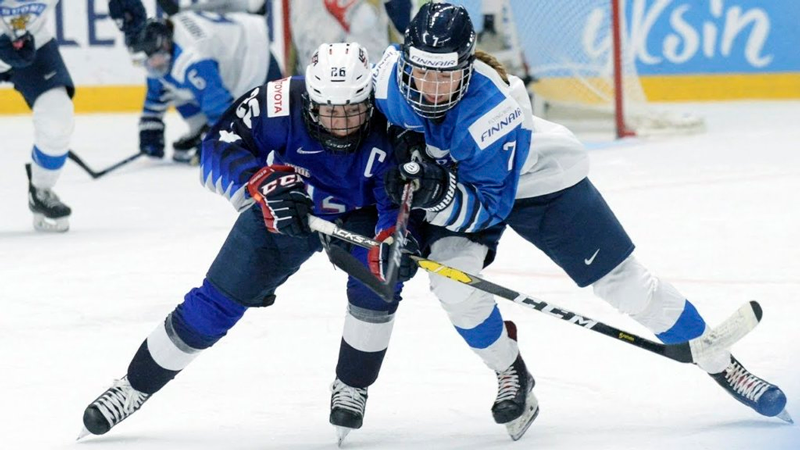
    Depois de cancelamentos e incertezas ao longo dos últimos dois anos, a elite do hockey feminino vai disputar uma nova edição do Mundial da IIHF em Calgary, no Canadá, a partir desta sexta-feira, 20 de agosto. Dez equipes disputarão entre si ao longo de dez dias pelo título da competição.

    O Mundial Feminino de Hockey de 2021 estava previsto para acontecer em Halifax e Truro, na província de Nova Scotia, no Canadá, durante o mês de maio. As cidades já esperavam pelo evento desde o ano anterior, cuja edição havia sido cancelada por causa da pandemia de COVID-19. No entanto, a IIHF anunciou em 21 de abril que também cancelaria a competição deste ano por preocupações de saúde por parte do governo da província.

    Uma semana depois, no dia 30 de abril, a IIHF confirmou novas datas para o Mundial, entre 20 e 31 de agosto, com uma sede ainda a definir. O anúncio oficial da nova sede veio em 2 de junho, com a escolha da WinSport Arena na cidade de Calgary para receber todos os 31 jogos da competição.

    Como nas últimas edições do Mundial Feminino da IIHF, a competição consiste numa fase de grupos seguida de uma fase eliminatória. Os Grupos A e B contam com cinco times cada, que disputam partidas entre si até o dia 26 de agosto. No Grupo A estão as cinco melhores equipes do mundo, Estados Unidos (atuais campeãs), Canadá, Finlândia, Comitê Olímpico Russo, e Suíça. Todas as equipes deste grupo já contam com uma vaga nas quartas de final. Já no Grupo B, estão Japão, Alemanha, Tchéquia, Dinamarca (promovida da Divisão I A), e Hungria (promovida da Divisão I A), e apenas as três melhores colocadas ao final da primeira fase vão avançar na competição.

    Os confrontos das quartas de final serão definidos pela classificação em cada grupo, e o chaveamento segue a partir daí até a disputa da final, no dia 31. Diferentemente do Mundial masculino, a Federação não anunciou se vai disponibilizar a transmissão dos jogos para o público internacional em seu canal do YouTube. A ESPN também não tem planos de transmitir a competição no Brasil, mas para os fãs nos EUA e Canadá, será possível acompanhar na NHL Network e na TSN, respectivamente.

    Abaixo, a programação completa de jogos, todos no Horário de Brasília.

    Sexta-feira, 20 de agosto

    Tchéquia vs. Dinamarca, 15h

    Canadá vs. Finlândia, 19h

    Suíça vs. Estados Unidos, 22h30

    Sábado, 21 de agosto

    Alemanha vs. Hungria, 15h

    Comitê Russo vs. Suíça, 19h

    Dinamarca vs. Japão, 22h30

    Domingo, 22 de agosto

    Hungria vs. Tchéquia, 15h

    Canadá vs. Comitê Russo, 19h

    Finlândia vs. Estados Unidos, 22h30

    Segunda-feira, 23 de agosto

    Alemanha vs. Dinamarca, 15h

    Japão vs. Tchéquia, 19h

    Terça-feira, 24 de agosto

    Estados Unidos vs. Comitê Russo, 15h

    Suíça vs. Canadá, 19h

    Hungria vs. Japão, 22h30

    Quarta-feira, 25 de agosto

    Comitê Russo vs. Finlândia, 15h

    Tchéquia vs. Alemanha, 19h

    Dinamarca vs. Hungria, 22h30

    Quinta-feira, 26 de agosto

    Finlândia vs. Suíça, 15h

    Estados Unidos vs. Canadá, 19h

    Japão vs. Alemanha, 22h30

    Sábado, 28 de agosto

    Quarta de final 1, 13h

    Quarta de final 2, 16h30

    Quarta de final 3, 20h

    Quarta de final 4, 23h30

    Domingo, 29 de agosto

    Rodada Qualificatória (5º a 8º) 1, 16h

    Rodada Qualificatória (5º a 8º) 2, 20h

    Segunda-feira, 30 de agosto

    Semifinal 1, 16h

    Semifinal 2, 20h

    Terça-feira, 31 de agosto

    Disputa do 5º lugar, 13h

    Disputa do Bronze, 16h30

    Final, 20h30

    Foto: Mikko Stig/AFP

  • NHL divulga calendário da temporada 2021-22

    NHL divulga calendário da temporada 2021-22

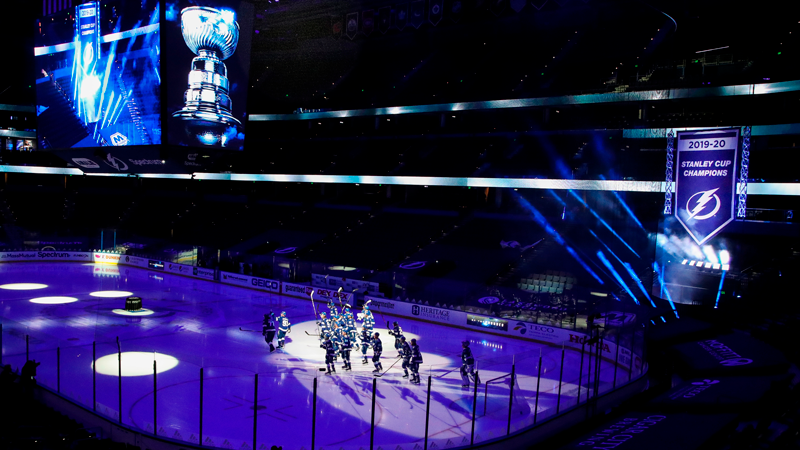
    Depois de muita especulação sobre as datas-chave para a próxima temporada da NHL, a liga finalmente divulgou a agenda de jogos e eventos para 2021-22. Pela primeira vez em alguns anos, a temporada regular não terá início numa quarta-feira. No dia 12 de outubro, Pittsburgh Penguins e Tampa Bay Lightning abrem o calendário com o primeiro jogo da temporada 2021-22, diretamente da Amalie Arena. Nesta ocasião, poderemos mais uma vez acompanhar a cerimônia de erguimento do banner de campeões dos Bolts, e contar com a presença ilustre da Stanley Cup.

    Na mesma noite, o Seattle Kraken, a franquia estreante da NHL, faz sua estreia contra o Vegas Golden Knights, em Las Vegas. A estreia do Kraken na Climate Pledge Arena ficou para o dia 23 de outubro, quando o time joga em casa contra o Vancouver Canucks. Será que veremos nascer aí uma rivalidade regional?

    Outra equipe que começa a temporada fora de casa enquanto a nova arena recebe os toques finais é o New York Islanders. Porém a viagem dos Isles será um pouco mais longa. O time só joga na recém-constrída UBS Arena, em Belmont Park, no dia 20 de novembro, quando o Calgary Flames fizer uma visita. Assim, serão 13 partidas na estrada para a equipe de Nova York antes do primeiro jogo em casa.

    Como esperado, a NHL divulgou o calendário com um intervalo entre 7 e 22 de fevereiro de 2022 para acomodar os Jogos Olímpicos de Inverno, que acontecem em Pequim. Contudo, ainda não há acordo entre a liga e o Comitê Olímpico Internacional quanto à presença dos jogadores nos Jogos. Caso as duas partes não cheguem a um acordo, a NHL vai adotar um calendário reserva, preenchendo este intervalo com seus jogos.

    “Mas, hoje, as coisas parecem otimistas”, afirmou Emily Kaplan durante o SportsCenter americano desta quinta-feira à noite. Ela reportou que as últimas conversas entre NHL, NHLPA e COI tiveram um desenvolvimento positivo em relação à participação dos atletas e as exigências de cada parte para isso. Então pode ser que tenhamos uma resposta definitiva em breve.

    Além do início da temporada no começo de outubro, um sinal da volta ao calendário pré-pandemia da NHL é a falta de “minisséries” entre as equipes, como vimos na última temporada. O calendário com dois ou mais jogos consecutivos entre os mesmos times, que lembrava o da MLB (baseball) agradou técnicos, jogadores e mesmo fãs. Alguns dos fatores positivos que esse formato trouxe foram o menor número de viagens e maior tempo de descanso ao longo da temporada. No entanto, a NHL não conseguiu acomodar esse calendário para todas as equipes de maneira equilibrada, e por isso parece que não veremos a “Toews Schedule” de volta tão cedo.

    A temporada regular se estende até o dia 29 de abril, mas ainda não há previsão para o início dos playoffs de 2022, dado que a NHL deve esperar confirmação sobre a participação olímpica. Como já divulgado pela liga antes do início da Final deste ano, eventos como o Winter Classic e o All-Star Weekend voltam a acontecer na temporada 2021-22. As datas e locais de cada um estão listadas abaixo.

    2022 NHL Winter Classic – 1º de janeiro, em Minneapolis, Minnesota

    No dia de ano novo, o Minnesota Wild recebe o St. Louis Blues no Target Field, para a 13ª edição do Winter Classic da NHL. A partida será na casa do Minnesota Twins, da MLB, marcando a sétima vez em que o evento acontece num estádio de baseball. O confronto é o mesmo que a NHL havia anunciado para 2021 e acabou adiando por conta da pandemia de COVID-19.

    2022 Honda NHL All-Star Weekend – 4 a 5 de fevereiro, em Las Vegas, Nevada

    Nada mais apropriado do que o Vegas Golden Knights sediar um Fim de Semana das Estrelas da NHL, já que a equipe é a mais adepta do glitter na liga. Os eventos de Skills Competition e All-Star Game acontecerão na T-Mobile Arena, e os fãs poderão acompanhar diferentes festividades durante todo o final de semana.

    2022 Navy Federal Credit Union NHL Stadium Series – 26 de fevereiro, em Nashville, Tennessee

    O Nashville Predators enfrentará o Tampa Bay Lightning no Nissan Stadium, atual casa do Tennessee Titans, da NFL. Este será apenas o segundo jogo ao ar livre para os Preds, que participaram do Winter Classic em 2020, e o primeiro dos Bolts. Assim, a equipe da Florida será a 27ª na NHL a participar de um outdoor game na temporada regular.

    Cobertura televisiva

    É válido lembrar que a partir desta temporada os direitos de transmissão da NHL nos Estados Unidos (em nível nacional) passam a ser divididos entre a ESPN americana e a Turner Sports. Isso impactou também o mercado brasileiro, trazendo maior disponibilidade de jogos e conteúdo da NHL na televisão e nas plataformas de streaming, pelos canais da ESPN no Brasil, conforme tratado nesta notícia do início do ano.

    Um primeiro exemplo dessa maior cobertura foi a transmissão ao vivo do Draft de Expansão do Seattle Kraken, com narração em português. Pela primeira vez também será transmitido ao vivo, nas vozes de Ari Aguiar e Thiago Simões, a primeira rodada do NHL Draft deste ano.

    Enquanto, pouco a pouco, o mundo encontra maneiras de superar e se recuperar dos acontecimentos do último ano (alguns lugares mais do que outros), a temporada de 2021-22 da NHL também carrega certo otimismo em relação ao esporte que tanto gostamos de assistir e cobrir. Que essa expectativa encontre de fato tempos melhores e muito hockey, para todos. Até lá, cuidem-se, vacinem-se e assistam à #NHLnaESPN.

    Foto: Reprodução/Tampa Bay Times

  • Agenda de jogos do Mundial da IIHF 2021

    Agenda de jogos do Mundial da IIHF 2021

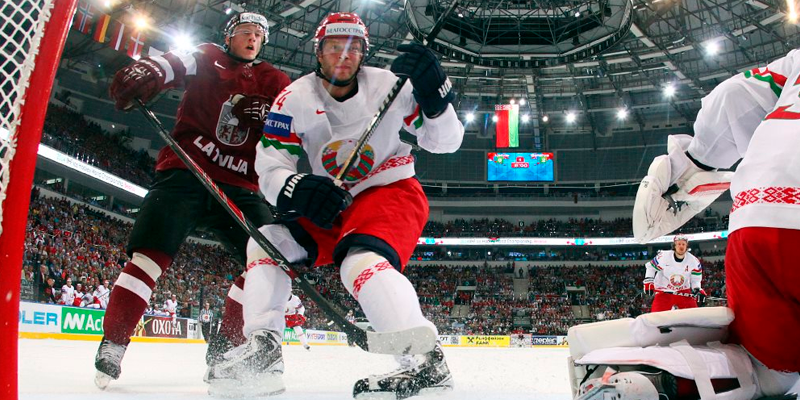
    Tem início hoje (21) a edição de 2021 do Mundial de Hockey no Gelo da IIHF, em Riga, na Letônia. O torneio acontece até 6 de junho na cidade, e conta com 16 países participantes.

    Com o cancelamento do Mundial de 2020 no ano passado por conta da pandemia de COVID-19, este será o primeiro evento da categoria que a Federação realiza em dois anos. A princípio, a sede do torneio seria dividida também com a cidade de Minsk, Belarus, mas a Federação optou por retirar o evento desta última ainda no começo do ano, conforme reportamos aqui.

    Como de costume, a IIHF vai disponibilizar as partidas ao vivo (em inglês) no seu canal do YouTube. A grande novidade deste ano para o mercado brasileiro são as transmissões de partidas da fase final com narração em português nos canais ESPN. É a primeira vez que a emissora transmite jogos do torneio, que já passou pelos canais Globosat em edições anteriores.

    Abaixo, listamos toda a programação do torneio, com links para assistir aos jogos no YouTube. Os confrontos da fase final serão atualizados assim que definidos, ao final da fase de grupos.

    Todos os jogos estão no Horário de Brasília.

    Sexta-feira, 21 de maio

    10h15

    Rússia vs. Tchéquia; assista aqui

    Alemanha vs. Itália; assista aqui

    14h15

    Belarus vs. Eslováquia; assista aqui

    Canadá vs. Letônia; assista aqui

    Sábado, 22 de maio

    06h15

    Dinamarca vs. Suécia; assista aqui

    Noruega vs. Alemanha; assista aqui

    10h15

    Grã-Bretanha vs. Rússia; assista aqui

    Finlândia vs. Estados Unidos; assista aqui

    14h15

    Tchéquia vs. Suíça; assista aqui

    Letônia vs. Cazaquistão; assista aqui

    Domingo, 23 de maio

    06h15

    Grã-Bretanha vs. Eslováquia; assista aqui

    Noruega vs. Itália; assista aqui

    10h15

    Suécia vs. Belarus; assista aqui

    Cazaquistão vs. Finlândia; assista aqui

    14h15

    Dinamarca vs. Suíça; assista aqui

    Canadá vs. Estados Unidos; assista aqui

    Segunda-feira, 24 de maio

    10h15

    Eslováquia vs. Rússia; assista aqui

    Letônia vs. Itália; assista aqui

    14h15

    Tchéquia vs. Belarus; assista aqui

    Alemanha vs. Canadá; assista aqui

    Terça-feira, 25 de maio

    10h15

    Grã-Bretanha vs. Dinamarca; assista aqui

    Estados Unidos vs. Cazaquistão; assista aqui

    14h15

    Suíça vs. Suécia; assista aqui

    Finlândia vs. Noruega; assista aqui

    Quarta-feira, 26 de maio

    10h15

    Rússia vs. Dinamarca; assista aqui

    Cazaquistão vs. Alemanha; assista aqui

    14h15

    Belarus vs. Grã-Bretanha; assista aqui

    Canadá vs. Noruega; assista aqui

    Quinta-feira, 27 de maio

    10h15

    Suíça vs. Eslováquia; assista aqui

    Estados Unidos vs. Letônia; assista aqui

    14h15

    Suécia vs. Tchéquia; assista aqui

    Finlândia vs. Itália; assista aqui

    Sexta-feira, 28 de maio

    10h15

    Suécia vs. Grã-Bretanha; assista aqui

    Cazaquistão vs. Canadá; assista aqui

    14h15

    Dinamarca vs. Belarus; assista aqui

    Letônia vs. Noruega; assista aqui

    Sábado, 29 de maio

    06h15

    Tchéquia vs. Grã-Bretanha; assista aqui

    Itália vs. Cazaquistão; assista aqui

    10h15

    Suíça vs. Rússia; assista aqui

    Noruega vs. Estados Unidos; assista aqui

    14h15

    Eslováquia vs. Dinamarca; assista aqui

    Alemanha vs. Finlândia; assista aqui

    Domingo, 30 de maio

    10h15

    Belarus vs. Suíça; assista aqui

    Itália vs. Canadá; assista aqui

    14h15

    Suécia vs. Eslováquia; assista aqui

    Finlândia vs. Letônia; assista aqui

    Segunda-feira, 31 de maio

    10h15

    Tchéquia vs. Dinamarca; assista aqui

    Estados Unidos vs. Alemanha; assista aqui

    14h15

    Rússia vs. Suécia; assista aqui

    Noruega vs. Cazaquistão; assista aqui

    Terça-feira, 1º de junho

    06h15

    Suíça vs. Grã-Bretanha; assista aqui

    Canadá vs. Finlândia; assista aqui

    10h15

    Eslováquia vs. Tchéquia; assista aqui

    Itália vs. Estados Unidos; assista aqui

    14h15

    Rússia vs. Belarus; assista aqui

    Alemanha vs. Letônia; assista aqui

    Quinta-feira, 3 de junho – Quartas de Final

    10h15

    Estados Unidos vs. Eslováquia; transmissão nos Canais ESPN

    Suíça vs. Alemanha; assista aqui

    14h15

    Rússia vs. Canadá; transmissão nos Canais ESPN

    Finlândia vs. Tchéquia; assista aqui

    Sábado, 5 de junho – Semifinais

    08h15

    Canadá vs. Estados Unidos; transmissão nos Canais ESPN

    12h15

    Finlândia vs. Alemanha; transmissão nos Canais ESPN

    Domingo, 6 de junho

    09h15 – Disputa do Bronze

    Estados Unidos vs. Alemanha; transmissão nos Canais ESPN

    14h15 – Final

    Canadá vs. Finlândia; transmissão nos Canais ESPN

    Foto: Reprodução/IIHF.com

  • Interview with Igor Larionov II – part 3

    Interview with Igor Larionov II – part 3

    Versão em português disponível aqui.

    (Co-authored by Marina Garcez)

    NHeLas talked to him about his path in hockey, his social media presence and much more. You can also watch him answering Twitter questions on our channel and taking one of our personality quizzes here.

    This interview has been lightly edited for length and clarity. Part 1 | Part 2

    Do you have any memories from the 2002 Stanley Cup?

    Yeah, I actually have a great memory. I remember when they won, my mom brought me on to the ice and she put me in my dad’s arms and he was holding me. I was, like, three or four years old. I remember it was so, so loud. So many people, so bright, confetti everywhere. And I was this little kid who was terrified, I just wanted to go home at that time. And you can even see in the Stanley Cup photo where my dad’s holding me, everyone’s smiling and I’m just sitting there with a frown on my face thinking “where’s my mommy? I want to go home.” And that’s basically the most that I remember of that Stanley Cup. But looking back, how cool is that I can look back and see myself on the cover of Sports Illustrated with the Red Wings and the Stanley Cup? And it’s just one of those things that you didn’t really appreciate when you were younger, but honestly looking now, that is so cool that I had the chance to do that. And not many people can say they’ve been on the cover of Sports Illustrated magazine. So for me, that’s a cool experience. Even now I sometimes bring that up and I brag about it a little bit. (laughs) But it’s just so cool because looking back, it was such a talented team, that 2002 Red Wings. I think they had 12 or 13 Hall of Famers and I was literally with them all on the ice as they were celebrating a cup and that’s something that millions have probably wished they had the opportunity to and I was lucky enough to be there. So it’s super special.

    To have something like that on your family album, it’s crazy.

    There’s literally pictures of me and my dad on the ice with the Stanley Cup on our family albums. I actually have a lot of pictures. When they won their second cup in 98, my dad asked for his day (with the Cup) closer to the end of the summer because I’d be born closer to August, September. So when he got the Cup I was, maybe two weeks old. So there are pictures of me sleeping inside the Stanley Cup, doing all these things. And then the 2002 Cup, there’s pictures of me eating frosted flakes out of the cup, and I was taking a shower with it and swimming with it. There’s a lot of very, very cool pictures with it from those days.

    You were born into a world where your father had already accomplished so much, become a hockey superstar. What has it been like for you to deal with the pressure and the inevitable comparisons between you and him in the hockey world and in the media, trying to make a name for yourself while literally carrying his name at the same time? 

    It’s not that easy. Growing up, it was something that really bothered me a lot of times. I never knew growing up in school if someone wanted to be my friend because they wanted to hang out with me or because they wanted tickets or something like that. So that always put me on guard, as a kid even, knowing that to truly trust someone I had to actually get to know them first before I let them into my life. That’s something that has kind of carried on throughout today. I always have a bit of a guard up when I meet someone because I’m not sure of their true intentions, where most kids they meet someone, they start talking when they’re in school and automatically know their friends. But for me, it was always “do they want to be my friend or do they want to come see the Stanley Cup trophy little thing, or the Stanley Cup ring at my house?” So that was always a little strange.

    Then when I started playing youth hockey, a lot of kids would target me because of my last name, they would play a little bit dirty, a cheap shot here or there. And whenever I was playing, there was always a crowd because everyone was watching the Hall of Famer’s son. Let’s say there’s a tournament with four rinks and if the word starts passing along that there was a Hall of Famer’s son playing, they’re all going to go watch that. Thankfully, when I was growing up, I was always one of the top scorers on one of the best teams in North America, so it was cool and I was enjoying that I had the extra eyes on me. But when I played bad, it really hit me hard and growing up there’s a lot of times after games where there was tears on the way home because I knew that there were so many people watching me and I disappointed, and that was hard to get over, but going on to where I am now, I really don’t see that much pressure anymore.

    Because if you think about it, I don’t think there’s anyone in the history of hockey that has won more total trophies and my dad has. He is like the Dani Alves of hockey in terms of how many trophies he’s won. So even if I were to win pretty much everything, I still most likely would never be able to get to that level just because of how many trophies he has won. And that’s fine. I mean, I can have a fantastic career, I can win one Stanley Cup, one Olympic gold medal, and three World Championships, and I still won’t have a career that he had, but winning all those things is still a tremendous career, which I think is great. There’s so many guys that never ended up winning anything, but they still had great careers. I mean, obviously, I want to win all these things and I want to beat him a little bit. (laughs) But realistically speaking, I don’t think anyone will ever win as many trophies as he has over his career. Three Stanley Cups, three Olympic medals, five World Championships, six European Championships, a World Cup, that’s just insane. How do you even have enough time to win all of those? Because this is the question we should be asking.

    I just know that I can play my own way and have a great career without ever achieving any of that. Because I still know that if I have a great career, and if I accomplish what I want to accomplish and play at the level that I know I can play, then I’ll have a great career, even if I don’t end up winning, you know, 27 trophies or something like that, which is a very high mark to reach. I’m totally okay with being who I am and playing to the best of my capabilities and knowing that if I do reach the best of my capabilities, I’ll have a career that many would dream of, so I’m totally fine with that.

    Do you two ever talk about it, you and your father?

    We don’t really talk about his accomplishments versus anything like that. We mostly talk about him just giving me tips, giving me advice, support, all these different things. It was actually funny, the one time we did sort of compare ourselves was his first game in the Russian league and my first game in the Russian league were both against Spartak Moscow. So that was kind of cool, where I think it was, like, 40 years apart, his first game was against Spartak, 40 years later, my first game was against Spartak. And I think he was minus three in his first game, and I was, like, plus one, I didn’t have any points. So that was some bragging rights because I had a better debut. But, mostly it’s just tips. He’s helping me out, showing me clips, sending me chapters from books, articles. He’s a big European football fan, so he sends me a lot of articles about different players, about their upbringing, about how they train, their work. So I read a lot of that, what he sends me, and mostly it’s so valuable when we get together and we watch a game on TV, and he can just point out “this guy’s doing this, when you get the puck in this situation, you can use the same move, but you can also change it up a little bit.” So just stuff like that, it’s incredible, in my opinion, getting the opportunity to talk to someone like that and to learn while you’re sitting on the couch and just watching a hockey game. I think that’s such a valuable experience for me and I always appreciate it when we have the opportunity to do that. (It’s) unbelievable to be able to sit with one of the world’s legends and just watch a game and him literally pointing everything out to you. I think it’s so cool.

    What’s your favorite hockey related memory?

    My favorite hockey memory would be the time we played SKA this past season. It was my former team, I was in their system, they developed me a little bit, and I got out of there. Then I signed with Kunlun and immediately I knew I wanted to play against them because things didn’t really work out the way I wanted to, there was a bit of a rough relationship there. As soon as I found out there was a game against them in St. Petersburg, I circled down on my calendar. We never beat SKA before and I knew that game was the game we were going to beat them. I remember they didn’t really have any (COVID-19) restrictions, so they had a pretty much sold out crowd and we ended up beating them 2-1 and I had the game winning assist. And that was just the most unbelievable experience. It was such a fun game, such a cool way to end it. And then, after the game we got interviewed for the local TV and it was just such a cool experience. It literally felt like when you dream of doing something, it’s like, you dream of playing in the NHL or something. And this felt like an NHL experience. Full crowd, big arena, so much energy, big game, good players, postgame press conference. All of that just felt so real, coming back to the hotel there was a big steak in your room waiting for you. Everything about it was just so, so real and so unbelievable. It’s like one of those feelings where that day is literally how it has to feel every single day in the NHL. And after I experienced that it’s like an addiction, you want to feel more and more of that. It’s so incredible. I just want to feel that feeling again and again and again. I can talk about it all day long. Especially on the road where you get a point or an assist or a goal and then the entire crowd, they start booing you, it gets quiet and it’s just the coolest feeling, I think.

    You had this tweet in which you mentioned that when you were a kid, you were really scared of the jumbotron falling on top of your dad. What other irrational fears or funny impressions did you have at that time, being a kid and watching your dad play?

    That was probably one of the big ones because I saw that picture of the jumbotron that fell in Buffalo and to me it was like, “that’s my dad’s work. That’s where he works, that’s his office,” you know, I’m thinking “how is he going to play? Is it gonna fall on top of him?” But in terms of other fears, I didn’t really have many fears. I actually had one fear. My first ever hockey game, I didn’t go on the ice. I didn’t play because I got scared of the referee. I was three years old and I saw this big man in stripes and I got terrified. And I didn’t play that game. (laughs) I told my mom and dad “I’m not playing,” and I started crying, they took me home. That was probably something that happened once and never happened again. But something kind of irrational was all my dad’s teammates, who were all these Hall of Fame superstars, and to me, they were just my dad’s friends. I didn’t see them as superstars or legends or anything. They were just like, “oh, here’s uncle Stevie,” Steve Yzerman, or, like, Pavel Datsyuk, basically like a cousin or something. Weird little things like that, where most people would be dying to get their autograph but for me, it’s just my dad’s weird friend from work who always comes over with a beer or something, so it was kind of fun. Looking back it’s pretty funny that those people to me were just regular guys where to many they’re their idols or heroes.

    Now that we got a little into the NHL, how much do you follow the league? Do you have a favorite team? What about other sports?

    In terms of hockey, I don’t really have a favorite team. I watch games, I don’t really watch too many. I like to watch clips of players, players that I want to emulate and players that I want to steal their moves a little bit from them. I watch a lot of highlights of the top guys, I’ll see what they do and I’ll try to do that next day of practice, so I can practice those kinds of moves that give them success. But I know so many guys in the NHL and so many players that it’s tough to really cheer for a team, I guess I cheer more for people than anything. But in other sports, in American football, I’m a big Detroit Lions fan, I’ve always been a Lions fan. It’s tough, I’m from Detroit, you know, we’re a horrible team, we always lose. But every year, I always go to a couple of games. So I’m very loyal in terms of that, I’m pretty much the most loyal person you’ll meet in any regards, but I’ll never give up on the Lions. I’ve been a Manchester United fan since I was two years old. There’s a picture of me wearing the Man United kit when I think I was literally one year old. From that age, I had a full kit, I had my name on the back, number eight. Throughout my entire life, I’ve always had a Man United kit, no matter what. In basketball, I’ve always been a Boston Celtics fan because one of my dad’s friends used to work for the team and he would send me autographed jerseys and hats. So as a kid, when I saw that, that blew my mind and I instantly became a Celtics fan. And other sports I’m not really much of a fan. Internationally, I cheer for Russia at international tournaments, like the (UEFA) Euros and the (FIFA) World Cup. Still not over the way they lost to Croatia in the quarterfinals of the last World Cup. I cheer for the USA too in the World Cup, but clearly they’ve had some struggles. And hopefully they can turn that around, they have a lot of good young players in Europe right now. But yeah, I’d say Man United, Lions and Celtics are my big three.

    What are your top-3 and bottom-3 cities you’d like to play for?

    I like that, really good question. Top 3 is probably more of a top 2. It’s interchangeable, in New York or Los Angeles, one of those two cities. That’s my absolute dream, probably New York at number one because it’s New York. Being an athlete and successful in New York opens up so many doors in so many different industries, especially in the ones that I’m interested in, so that’s huge for me. And then the bottom 3 would probably be Winnipeg, Calgary, Edmonton… And I can keep going, Ottawa… (laughs) They’re just not the same as comparing them to New York or Los Angeles. And I’m a big city guy, I like playing in Moscow because of that. I truly believe that I play so much better in a big city with a big microscope on my back and with the opportunity to do everything else off the ice that I’m passionate about. You play in Calgary, you can’t go to a bar and meet a fashion designer or a director or something, no offense to the people of Calgary, that’s just not the hub of where those things happen. Whereas in New York or Los Angeles, after a game you can meet someone interesting and talk about maybe do a collaboration or just anything for your future. For me that’s something that’s really important.

    If you could create an expansion team for the NHL, where would it be?

    I think a cool place for a team could potentially be Houston. Because I know they have an NFL team, they have an NBA team and an MLB team. I feel like they already have a great group of fans, sports fans, they might even have an MLS team, too. They have a great infrastructure for sports and for fans, and a lot of their teams have been quite successful over the last few years. So I think that the NHL would probably do pretty well there, since they’re typically doing pretty well in Dallas. Dallas is fairly competitive year in and year out, and people enjoy playing there because it’s good weather, you’re in the middle of the country, so the travel is not too bad anywhere. I think Houston would be a cool spot to have a team.

    Speaking of expansion teams, what do you think of what Seattle’s done so far addressing diversity and inclusion in hockey management and also in their community, getting ahead of some issues before they even start playing?

    I think it’s really cool what they’re doing. I even read somewhere that they’re building their arena in an eco-friendly way, which it’s something that I am huge about. I really believe in preserving the planet because this is our home. No matter what, there’s only one Earth. I really appreciate all the stuff that they’re doing in terms of that. And honestly, Seattle is a really cool place. I’ve always felt like Seattle is a bit more progressive than some other cities, and it’s great to see that they’re leading by example, in terms of that. I have no doubt that they’ll be a very successful team because, first of all, it’s a great city. There’s a lot of interesting people there. There’s a big group of people from tech that live there, and usually people in the tech industry are very eco-friendly, they’re very progressive in terms of giving everyone an opportunity and giving people jobs and I think that is something that’s going to be very, very successful. I really hope that they hit the ground running sort of like Vegas did. I would love to play there, and, you know, it’d be a pleasure to play in the same city where the lead singer of Nirvana was from.

    Part 1 | Part 2
  • Interview with Igor Larionov II – part 2

    Interview with Igor Larionov II – part 2

    Versão em português disponível aqui.

    (Co-authored by Marina Garcez)

    NHeLas talked to him about his path in hockey, his social media presence and much more. You can also watch him answering Twitter questions on our channel and taking one of our personality quizzes here.

    This interview has been lightly edited for length and clarity. Part 1 | Part 3

    You’ve been very active in supporting human rights on Twitter, in several ways. What drove you to become such an outspoken person on social media, this commitment to empowering and advocating for minorities and criticizing what we understand as “hockey culture?”

    For me, it’s common sense. I don’t think it’s correct to marginalize people because you think they’re different to you. I didn’t grow up with that in my family. We didn’t do those types of things and I was always taught that you need to respect people, and you don’t treat them differently because they don’t look like you or because they don’t live a similar lifestyle to you, I think that’s completely wrong. So when people call me an activist or something, I don’t think I’m an activist, I just think I’m someone who uses common sense when I say these things. Because, at the end of the day, it isn’t right to hate someone because they’re a bit different to you. I mean, for me that blows my mind, I’m at a loss for words sometimes. I can’t even put all of it together. How does it make sense that you don’t like someone just because they’re different to you? If anything, that’s a treasure. If everyone in the world was the same, the world would be so boring. It is literally beautiful that there are so many different people out there, you can talk to so many different people, learn about their human experience, and it’s just endless possibilities of so many beautiful connections, and beautiful avenues in life where if I say something on Twitter, it’s not because I want to be like Greta Thunberg and have a speech that the entire world hears. No, I just say it because I am truly baffled by how some people will hate instead of loving, and, to me, that’s not right.

    But if people do take it as activism, then I’m glad when I get these messages back, and people say “thank you for speaking up, I feel seen.” And that’s something that’s beautiful, because I feel like a lot of athletes, they just stick to sports. But the great ones, the people that are remembered throughout history are the ones that made a bigger difference off the playing surface than they did when they were playing. And that’s something that I think is very important because if you have a platform and you have a name or a following or anything, even if it is just from good intention, and not that you want to be an activist or anything, I still think you should pursue that. I’ve been getting so many messages from people saying thank you and that really just warms my heart because for me to type something up, it’s very easy and it doesn’t take a lot. But for them, it means so much. I think it’s beautiful and it’s something that my dad once told me that it’s a little bit different, but it kind of has the same message. He said, “whenever a kid or a fan asks you for a picture or for an autograph, that moment is a second for you, but it lasts a lifetime for them.” So that’s why I think it’s very important to give everyone the time of day and if you see someone who’s marginalized and being hated for being who they are, that’s wrong, and I can’t stand for that.

    You mentioned how you like to use your platform to promote human rights in general. Would you like to do something about that in the future, maybe start a foundation, is that of your interest?

    Honestly, I haven’t really thought much about that. But thinking about it now, if I could do something to help people, I would definitely be open to doing it because at the end of the day, it’s great to be a good player, but if you don’t really help anyone, what’s the point of getting to where you are? So I would love to do something like a nonprofit or a charity or just having hockey camps where you can help people like that or expand and grow the sport. I have no concrete plans for that right now, but now that you mentioned it, that’s definitely something I’d be interested to do in the future.

    Have you ever called out a teammate on the spot for doing something you thought they shouldn’t have, like using a slur or being misogynistic?

    Typically, that’s very hard in the locker room, because if you say something right away, then you become the enemy and they don’t listen to you. So it’s better to just quietly go up to someone and be like “Hey, man, I don’t really appreciate the way you’re talking because that could be taken the wrong way, and you could really hurt someone.” Which happened a couple times this year, but it was mostly Russian guys who heard these words in English and they didn’t know what they meant. They were just repeating it. It’s sort of like when you hear a kid say a swear word, they don’t know what it means. They’re just saying it because they heard it on TV, or they heard mom and dad say it. Here, there were a couple of times Russian guys would say something that you just don’t typically hear in a North American locker room. When that happened, I told the guy “Look, man, you really can’t be saying stuff like that, because that’s just not okay. I understand, you don’t know what it means. I understand that in your culture, it’s something totally different. But if you’re going to speak English and you have aspirations of playing in North America, that’s something you have to forget.” There’s been other moments when guys have tried to show me some stuff which I just didn’t think was right and I straight up said “I understand you want to show me this, but I’m not interested,” like, stuff to do with women or anything like that, I just straight up say, “thank you for offering but no, I’m not interested.” So that’s how I look at things.

    Have you ever been in trouble for something you said or something you did that you thought you were doing the right thing, but it wasn’t expected of you to do as a hockey player?

    I haven’t really been in trouble for saying anything because I feel like I’m pretty good with my words, I know when to pick and choose my fights. And in locker rooms I don’t really speak up on these terms because a lot of times guys feel threatened when you do that. It’s better to just, like I said, one on one with someone just quietly mention something. But one time, when I was playing in the OHL, I did a curling celebration, which is actually the pinned tweet on my Twitter. And it was during the Olympics, I scored a goal, I tossed my glove and my teammate was sort of sweeping. And after that I got benched for the rest of the period, I scored in the first shift of the game. In between periods, my coach comes up to me, in front of the entire locker room starts screaming, “how can you do this? You’re a disgrace to the game, you can’t be acting like that, blah, blah, blah.” He told my other teammate “I’m gonna send you back to Russia,” (laughs) like, all these things. And he didn’t play me much in the second period, then we went down I think 3-1. He put me back on the ice, I ended up getting two more assists. I was the first star that game. Afterwards, they come up to me, they said “we’re going to talk to you tomorrow. That’s not okay. You know, you’re not off the hook because you played well,” and I’m thinking “the game is fun.” (laughs) The next day I show up, and overnight that video went viral, it was shown on ESPN, on TSN. Pretty much every major sporting broadcast in every country that shows hockey.

    Brazil included. (laughs)

    Really? Yeah, so I guess it really went worldwide. And our next game, the next day, it turned out to be sold out because so many people saw the video that they got tickets, it was our first sellout in I think a year and a half. At that point no one ever said anything again to me. One of my coaches said “where did you even figure that out?” I said, “Oh, I saw an NFL team do that.” He was like “yeah, well, we’re not the NFL.” And I said “yeah, I know, we make a lot less money and a lot less people watch us.” (laughs) So I said something like that, and he didn’t really agree, didn’t really disagree, but he just nodded and walked away. That was it and nobody ever mentioned that again. So it was interesting, it was fun for me and a lot of the guys enjoyed it. A lot of people did enjoy it if it made it on so many platforms.

    It’s funny, we look at the history of sports in the US and football, baseball, then basketball, they all had that moment in history when they started really marketing themselves and you see how much the game grows because of that. And then hockey is just there.

    Exactly. I always bring this example up: the NBA and the NHL weren’t that big in the 80s. And their two biggest stars started playing at the same exact time, Wayne Gretzky and Michael Jordan. They pretty much started in the same generation. Look at what Michael Jordan did to basketball and look at what Gretzky did to hockey. Basketball is all over the world where hockey, it’s grown. I’m not gonna say it hasn’t grown. But it hasn’t nearly grown as much as basketball has. You look at a team like PSG has the Jordan’s logo on their jersey, a soccer team has the Jordan’s thing, whereas hockey is still just hockey. It hasn’t really reached the international stage like basketball has because of, you know, what Michael Jordan was able to accomplish on the court, but also off the court. He did so much.

    Do you worry that being so outspoken about those issues would impact your chances of making an NHL roster?

    Obviously, that’s in the back of my head. They don’t really like it when people speak up. But at the same time, what they do not realize is, if you look at me, like I mentioned, I have had more points than a lot of guys that are playing in the NHL right now this season and in a lot less games. So clearly I can play at that level if my colleagues and counterparts are able to do that. But one thing that they’re not able to do is if you look at my social media, I have a lot more followers in all of my platforms than, I would say, most NHL players, and if I were able to get to that stage of the NHL, I would be able to make a team so much money just based off of off the ice endorsements, all these different things.

    Just put me in front of a camera and let me be myself and I can literally help a team make so much money and grow the team’s revenue. And if they were to understand that, I feel like that could definitely be something that could help. I feel like a lot of teams, like, you look at the Lakers, Kyle Kuzma, he’s an average player. He’s not a superstar. But he brings in so many fans based off of his fashion, how he dresses, his aura, his lifestyle. Same thing, Manchester United, they had a player named Jesse Lingard who didn’t play for almost 16 months, but he had his little celebration, he had merch, he had dance moves, he had all these things, and he has more followers than any single NHL team. He makes so much money for the team because his jerseys are always one of the top sold, his merch is always one of the top sold, but also his Instagram game and his social media brings in so many fans from all over the world. And I can do something like that for any team, but also when you look at these young guys who are my age and they produce less than me, I can produce at the same level if not better than these guys. And I’m still young, so over time I can only improve all these factors.

    If I was an NHL team, I would see a guy like myself and think “alright, so we have a potentially good young player who was able to play in the second best league in the world at such a young age, but also he has such a big following already that if we bring him and market him, not even well, just barely market him, he can grow to an extent where he can become someone that brings in new fans and new audiences and make us a whole lot of money.” Because at the end the day that’s what most teams care about, making money. So I think it’s a win-win for any NHL team and I’d be glad to jump at any opportunity because I obviously know that I can play at this level and I feel confident that I can do both the job on the ice and off the ice, and I’d love to do that for any team.

    It’s not that hard, NHL, come on. It’s the best sport in the world and it can be so frustrating sometimes.

    Exactly. That’s what I always say, hockey is the only sport where the best product is the actual gameplay. You look at any other sport, you look at the NBA, it’s the off the court antics. It’s the games where the Kylie Jenner ex-boyfriends are playing against each other getting the most views. Whereas (in hockey), the best of our sport is what’s going on on the actual surface. Everything else is incomparable. You can’t even compare it to golf or to anything else. It’s just so much worse than every other sport and that’s really, really hurting the league. More people deserve to watch hockey but they’ll never get a chance because it’s just not entertaining enough. There’s no drama. That’s basically what it is.

    Part 1 | Part 3
  • Interview with Igor Larionov II

    Interview with Igor Larionov II

    Versão em português disponível aqui.

    (Co-authored by Marina Garcez)

    Over the past month, hockey twitter had its attention caught by someone whose attitudes and personality seemed odd for the average hockey player. Well, Igor Larionov II is not your average hockey player. Fans might be familiar with the name; the young player is the son of one of the greatest legends of the sport, three-time Stanley Cup winner and multiple world champion Igor Larionov. 

    However, at 22, Igor Larionov II is taking the first steps of his professional career while also conquering a legion of supporters and fans on social media, embracing a community and echoing voices that we often don’t see represented in hockey.

    NHeLas talked to him about his path in hockey, his social media presence and much more. You can also watch him answering Twitter questions on our channel and taking one of our personality quizzes here.

    This interview has been lightly edited for length and clarity. Part 2 | Part 3

    Why don’t we start with your career? Tell us about your life in hockey, growing up and up until now.

    I was born in 1998, in Detroit, Michigan. My father was a hockey player, so I was always around the hockey rink and meeting a lot of cool people that play hockey and are in the industry. From the ages of three or four, I was always running around with a little hockey stick at home. Most kids play with toy cars or Legos, and I always had a hockey stick and a ball or a little puck with me. So that’s basically how I got started playing. Growing up, I played youth hockey in Detroit for a bit and then my family moved to California when my dad retired, and I spent two years playing youth hockey in California. And then after that, it’s very difficult to find a lot of ice here and a lot of, you know, opportunity to practice, so we moved back to Michigan where there were 15 rinks within 10 miles of my house. That makes it a lot easier to just get on the ice and practice and work hard and all those good things.

    I played youth hockey in Michigan for the next six years, after that I went to Major Junior, I played in the QMJHL the first season, which was a good experience but after that one year, I got an offer from Windsor, which was literally a 30-minute drive from my house in Michigan. So that was the perfect opportunity because not often do you get to live at home and then play hockey so I took that offer up, I had a great year, I played very well and then the following season I had the opportunity to go to Muskegon. Because Windsor, we were sort of rebuilding, but it was my last year in Muskegon. We were, like, going for the title, we had a very strong team. So I went over to Muskegon and had a great year, a lot of good memories. One of the last games of the season though, sadly, I broke my collarbone. So my season was done. We ended up losing in the conference finals of the playoffs, which, you know, was a bummer not being able to help the team or play but it was a good experience playing in Muskegon. I still talk to a lot of the guys, a lot of the players are some of my closest friends now.

    Following that, I decided to go to Russia, I started with SKA in the KHL, I was in their camp, I was just told I had made the team, great news, they called me up for the olympic national team, which is basically the second national team. There’s the main national team in Russia, and then there’s the olympic team, which is sort of the young guys, they’re grooming you for future tournaments, future events. So I got called up to that and two days before I was supposed to head out to the olympic team and to sign my full contract for the season with SKA, I ended up tearing my glute on the last day of training camp. With that I pretty much missed the entire season. When I recovered, I was only able to play two games, and that was only so they could register me. I basically dressed but I didn’t go on the ice, and that was just so I would be able to be under contract at that time. Because they were hoping that in two months, I’d be ready to play. But obviously, two months later, the world was shut down because of COVID. And I ended up not playing at all that season pretty much.

    So when that happened, I came back to Michigan where I was living at the time, I did a lot of training, a lot of rehab, and I had some opportunities to play in the AHL last season, but nothing was starting. So I started thinking to myself “I can’t take two full years off,” that just wouldn’t be good for my development. And I got a call from the Kunlun (Red Star) GM saying they were looking for players from North America that had Russian roots, which basically meant someone that has a Russian passport because they needed to dress a certain amount of Russians for every game. And I honestly said “Yeah, sounds good, when do you want me to come over?” And he said “how about in a couple of days?” So in a couple days, I was on a flight to Moscow, I went from Detroit to Chicago, Chicago to London, London to Moscow. And then three or four days later, I was playing my first game. I only signed a three game tryout deal because we didn’t have enough money to sign people to guaranteed contracts this year, because of the budget cuts due to COVID. After three games, I had two points and they ended up signing me for the rest of the year. I played two more games shortly after that, and then I got COVID. I ended up missing almost three weeks with that. It wasn’t too bad of an illness, it was pretty light for me. But when I got back, I had some problems with my heart and after trying to recover, they basically shut me down for the rest of the season.

    Thankfully, I was able to go back to the States and get some proper medical treatment. They basically told me “take two months off, don’t do anything at all, don’t strain your heart,” and I had to wear a couple heart monitors for a couple of weeks just for them to monitor all of that. Once those two months went over, they said “it’s gonna hit you like a switch. All of a sudden you’ll get your energy back and start feeling good again, you’ll be able to train,” and it would literally happen how they said it would happen. For two months, I was, you know, very fatigued, very tired, couldn’t really do anything without my heart rate going up. And then as soon as those two months are over, boom, I felt great. Now, I’ve been training for almost a month and a half. And I honestly feel as good as I’ve ever felt. I’m just just getting ready for next season at this point.

    In your opinion, what are the main differences between playing hockey in North America versus playing in Russia?

    There’s quite a bit of difference between these two countries, both culturally and in terms of the style of play. I would say that in North America, it’s more of a structured system where you know your job and everyone’s got their own role. But in Russia, it was more of a free for all, where guys would sort of decide what they’re doing. And that’s not always the best, I think the best is when you can mix the best of those two systems where people have the freedom to create, but there’s also a structure and a system in place where if you make a mistake, you know that your teammate will be there to cover you up, because they’re following the same idea as you are. It was very interesting to play (in Russia). They pretty much had fans everywhere you played, which is very weird for this time in the world. It was a different experience, the cities, they’re not like typical pro hockey cities that you’d play in North America. Here, it’s usually the top cities in America, you stay at nice hotels. There, there are a couple of nice cities but then once you get to some of the lower rank teams, the cities aren’t really too nice, they only have one restaurant, that would be a Burger King or something, and the hotel, it was the place of nightmares (laughs) there’s, like, blood on the walls and mold in the shower, that kind of thing.

    It was very unique but at the end of day, it was a lot of fun, because I feel like my teammates… We were a lot of North American guys and it’s almost that thing where it’s so different for a lot of us where most of the time we’re just laughing at what’s going on. Our  team plane was very, very weird. Every single flight there’d be a moment where you just felt the plane slowly going down, and at first it would get kind of quiet on the plane. And then everyone started looking around, take off their headphones, and then one of my teammates would always start yelling “well, boys, this is how we go.” And the entire team would start laughing. Moments like that, which looking back, it was terrifying how we would just feel the plane dropping then always get back to normal. But just weird little things like that, where we would always just be making fun of the bad things. And that made it more fun. And that made it a cooler experience for all of us.

    How did the KHL protocols compare to the NHL ones at that moment?

    I believe in the NHL, they’re getting tested every single day. What we had was we were getting tested every three days. Another big thing is in the NHL, if there’s a few people that are sick, they pretty much shut down the entire team and nobody plays until everyone’s recovered, everyone’s back. But for us, it was totally different. It was if you’re sick, you just go home, the entire team continues. So we had a moment before I even got to the team where I think we had, like, 17 guys sick at once. And then when I got there, when I got sick, we had six guys sick at once. So it was a bit of a mess in terms of that because they didn’t really know how to handle it too well compared to how they do it here. Our equipment manager got sick, and instead of him staying home, he came to the rink to sharpen our skates. And then five of us got sick. So it was kind of weird in terms of that. But, you know, it’s a different culture, they do things differently there. So I can’t really blame them for how the country is run, because that’s just how they do things. But I definitely think they could have, you know, taken a more cautious approach. Because at the end of the day, we had, I think, 95% of the league got sick. And I know a lot of players that had similar problems to me where they couldn’t finish the season because they had something wrong. Some guys were even in the hospital with the respirators. So it was a scary situation for a lot of us but going in, they pretty much told us that you will 100% get sick at a certain point. So we all knew the risks going into it.

    I feel like in North America you’d get sued on the spot just for saying that.

    You would. It’s funny, when they first talked to me, they said, “have you had COVID yet?” And I said “No,” and I was thinking that was a good thing. And they were like, “damn, it’s better if you already had it, because that means you won’t get it.” And I’m like, “Oh…”  (laughs) They said “within the first two weeks, you’ll probably get it.” I was able to last closer to a month and a half before I got it, which I don’t know how, I was very, very lucky. But pretty much everyone who came over got it unless people already had it in the summer.

    Going into the future, what are your plans and expectations for the next season? And what’s your offseason routine like, what do you usually do?

    My expectations for next season are I want to stay in North America and I have some opportunities here to go to some camps or just straight out sign an AHL deal. I know a lot of guys that are playing the KHL that came over and are in the NHL now that had similar points to me and less games. So for me, I look at that and I say “if they got less points than me, and they’re playing in the NHL, I mean, I could do the same thing.” And I truly believe if I never had my history of injury issues that I would be there right now. But, you know, you can’t control those things. Obviously, it’s tough at times, but I’m grateful for how everything transpired in my life so far. But yeah, I have some opportunities. And I really think that once I get the chance to showcase myself, everything will be fine.

    My routine, basically what I do is I train in the gym. Usually right now it’s three times a week. And then, when it gets closer to the season, sort of like June-ish, I’ll start going four times a week, July, four times a week, August, four times a week. And then, end of July, I’ll start getting on the ice twice a week and just continue to do that, because I don’t really like to skate too much in the offseason. I feel like I burn out a little bit when I skate too much. And I prefer to just work on building my muscular physique, building my endurance, all those different things, because I feel like when you have that all set up, and you get on the ice, it honestly takes me three weeks before the season starts, I’ll start ramping it up and skating four or five times a week and that’s all it takes for me to be ready, physically, but also at the same time, I’m fresh enough where I wouldn’t be getting tired during training camp for all those things.

    What’s the story behind you wearing #69? And how did it become kind of a personal brand? Do you think you’ll be able to wear it in the future, depending on where your career takes you?

    This year, in Kunlun, we didn’t have too much money in my team in the KHL, so they had a certain amount of jerseys preset, and when they were talking about signing me, they offered me, I think, five different numbers. Three of those jerseys were too big, so I couldn’t wear them, they were almost, like, goalie size. And then the two that were my size were number 69 and I think number 52 or 53, some very boring number which, you know, I don’t really like to do boring things. So at that point, I pretty much realized that 69 was the best option plus, I had an opportunity to impress a couple people, which is always fun. (laughs) I like to do creative things, and I feel like not many people wear the number 69 because it’s looked badly upon in society. But I don’t really see anything wrong with the message that it sends.

    Because at the end of the day, there’s really nothing wrong with what it is, it’s a thing that pretty much most humans do. And there’s nothing taboo about it in my mind. You know, a lot of people when they talk about sex or something, they think it’s very taboo, but in reality, I mean, that is literally, it’s in the Bible, you know, if we’re going back that far (laughs). So I see nothing wrong that and I think it’s a good message, not only to be yourself and to have fun, because a lot of people view their sport as a job and not as a game and I think you could do it as both because at the end of the day, if it’s a lot of fun, I feel like you play better and if you enjoy yourself, you play better. So it basically chose me. I didn’t really have much of an option, but when I found out that was my only option I was really excited because I’ve been wanting to do something outrageous like that for a while and it only would have happened if that was my only option. I don’t think I would have had the guts to pick 69 out of a hundred different numbers or something.

    Do you have any superstitions related to your game? Anything that you like to do before every match?

    No, not really. I guess I tie my left skate first, which would be the only superstition that you could probably consider even a superstition, but everything else I’m very, very chill, go with the flow. Before games, I don’t like to get too worked up on it. I like to have fun and enjoy, joke around. And when I do that, I feel like I play better because there’s absolutely no nerves for me and I go out just relaxed and confident, ready to play. But when I overthink, overstress, that’s when I get into trouble. I prefer to play based on my instincts and not what’s going on up here because I feel like a lot of people, they overthink and they start to doubt themselves. Whereas when you’re just playing based on your instincts, you play a lot better. So I get to the rink, I joke around, I play some soccer, I play some basketball, some American football, you know, just for fun. And then I do my warm up, which isn’t really a routine at all, like do the exact same warm up, step by step. I have a certain amount of exercises, but I do them in different, a different order. And that’s about it. I get on the ice, I do the same stick handling stuff. But that’s less of a superstition, I’m just used to doing the same exercises because I know they warm up my body correctly. So that’s basically how I prepare, there’s nothing too special, it’s more of just trying to enjoy every moment of it.

    No special food, no special clothes?

    I’m on a very strict diet, I don’t really eat too much. So usually before games, I’ll have a salad, and then I’ll have a grilled cheese sandwich with sweet potato. For clothes, I like to just have fun with that, I don’t really pay too much attention, I wear pretty much whatever I see and if I think it looks cool, I wear it. If there’s a dress code, I’m sort of flowing just beneath the dress code, where I’m sort of following but at the end of the day I’m doing it a little bit my way. And that’s how I like to do it.

    There’s no self expression alive with the dress code. And that’s why I try to still follow it a little bit so I don’t get in trouble, but at the end of day I do it a little bit differently.

    What career would you like to have pursued had you not been a hockey player? And do you ever think about life after hockey and what you would like to do then?

    Yeah, I think about that quite a lot. Because I always tell people, when I introduce myself, I don’t say I’m a hockey player. First, I say, like, I’m a human being, and then, down the line, I’ll tell them I’m a hockey player, because I don’t want for them to think that that’s exactly who I am. I have a lot of interests, a lot of passions outside of that. So I’d love to do something behind the camera. I’ve always been a fan of film, I’ve always been a fan of television. But when I first moved out to LA, a couple of months ago, I was getting a haircut at this salon in Beverly Hills. And it was very fancy, a lot of big shots, I was sitting actually next to Kesha, the singer, which was super, super cool. But this woman comes up to me and she asked me for my information, we start talking and it turns out she was the vice president of a modeling agency in Los Angeles. So I was talking to her, she asked for my Instagram, she followed me, we connected and she wanted me to do some stuff for them and talk to them, maybe potentially sign. And I was a bit scared of that because I don’t want that to interfere with hockey, because a lot of times, when you do anything creative, and then you come back to hockey people sort of look at you differently. And I basically sent her a DM “let’s move forward,” then I unsent it because I just wasn’t feeling comfortable doing that. Obviously, that’s something I’d like to pursue, if a vice president of an agency out of nowhere comes up to me, I feel like that’s a good sign. But I honestly would love to go back to that once I’ve sort of established myself or have a contract, some sort of safety. I’d definitely love to do one of those three things, something entertaining, something in that industry, because I don’t really like when you can’t express yourself and I feel like in those industries it’s the exact perfect opportunity where you can literally be yourself and you don’t get judged for that, you get applauded for that, and that’s something that I really enjoy.

    So you’d never have a desk job at an office, or something like that.

    I’m not really too good at sitting at a desk all day long, or sitting in an office. I mean, maybe, if I really was passionate about something, I could try to do that, but I just don’t see that in my future. I am too outgoing. I would literally, just one day, I’d wake up and say “why am I doing this?” And then, you know, book a one-way ticket to Australia, and drive a van across the country, just film stuff, take pictures of stuff. I feel like that’s more of my vibe, and working at an office, which I don’t think there’s anything wrong with that, you know, obviously a lot of people have professions, and then a lot of people make good money, a lot of people enjoy it. But for me, that’s just something that I don’t think I’d ever be able to do.
    Part 2 | Part 3
  • Entrevista com Igor Larionov II – parte 3

    Entrevista com Igor Larionov II – parte 3

    English version available here.

    (Texto com co-autoria de Marina Garcez)

    O NHeLas conversou com Igor Larionov II sobre sua trajetória no esporte, sua presença nas redes e muito mais. Além desta entrevista, você também pode assistir ao vídeo dele respondendo perguntas do Twitter aqui. Confira também ele fazendo um quiz em nosso site aqui.

    (Esta entrevista foi editada para fins de brevidade e clareza. Parte 1 | Parte 2)

    Você tem alguma lembrança da Stanley Cup de 2002?

    Sim, na verdade eu tenho uma lembrança ótima. Eu me lembro quando eles ganharam, minha mãe me levou até o gelo e ela me pôs nos braços do meu pai e ele ficou me segurando. Eu tinha talvez três, quatro anos. Eu lembro que era tão, tão barulhento. Muitas pessoas, muitas luzes, confete por toda parte. E eu era essa criancinha que estava apavorada, eu só queria ir para casa naquele momento. Você consegue até ver na foto da Stanley Cup em que meu pai está me segurando, todo mundo está sorrindo e eu lá com a cara fechada pensando “onde está minha mamãe, eu quero ir para casa.” Isso é basicamente o que eu lembro daquela Stanley Cup. Mas olhando para trás, quão legal é que eu posso relembrar e me ver numa capa da Sports Illustrated com os Red Wings e a Stanley Cup? É uma daquelas coisas que você não dá muito valor quando é mais novo, mas sinceramente vendo agora, é tão legal que eu tive a chance de fazer aquilo. E poucas pessoas podem dizer que eles estiveram na capa de uma revista Sports Illustrated. Então para mim, essa é uma experiência bacana. Até hoje eu às vezes toco no assunto para me gabar um pouco. (risos) Mas é muito legal porque, olhando agora, era um time tão talentoso, os Red Wings de 2002. Eu acho que eles tinham uns 12 ou 13 Hall of Famers e eu estava literalmente no gelo com todos eles enquanto comemoravam uma taça, e isso é algo que milhões provavelmente já desejaram ter a oportunidade de fazer e eu fui sortudo o suficiente para estar lá. Então é algo super especial.

    Ter esse tipo de coisa num álbum de família é realmente incrível.

    Tem literalmente fotos minhas e do meu pai no gelo com a Stanley Cup em nossos álbuns de família. Eu, na verdade, tenho várias fotos. Quando eles venceram em 1998, meu pai pediu para o dia dele (com a taça) ser perto do final do verão porque eu ia nascer em torno de agosto, setembro. Então quando ele pegou a taça, eu tinha talvez duas semanas de vida. Tem fotos minhas dormindo dentro da Stanley Cup, fazendo todas essas coisas. E aí com a taça de 2002, tem fotos minhas comendo cereais de dentro da taça, e eu tomei banho com ela, fui na piscina com ela. Tem várias fotos muito, muito legais daquela época.

    Você nasceu em um mundo em que seu pai já havia conquistado tanto, e se tornado uma superestrela do hockey. Como foi para você lidar com a pressão e inevitáveis comparações entre você e ele, não apenas no esporte mas também na mídia, tentando ganhar seu próprio reconhecimento enquanto literalmente carregava o nome dele ao mesmo tempo?

    Não é tão fácil. Na minha infância, era algo que realmente me incomodava muitas vezes. Eu nunca sabia, naquela época, se alguém na escola queria ser meu amigo porque eles queriam passar tempo comigo ou porque queriam ingressos ou algo do tipo. Então isso sempre me deixou alerta, mesmo quando criança, sabendo que para confiar de fato em alguém, primeiro eu tinha que conhecê-los de verdade antes de deixá-los entrar em minha vida. Isso é algo que eu de certa forma ainda carrego comigo. Eu sempre tenho um resguardo quando conheço alguém porque não tenho certeza de quais são suas verdadeiras intenções. Enquanto que a maioria das crianças, quando conhecem alguém, começam a conversar na escola e automaticamente se tornam amigos. Mas para mim, era sempre “será que eles querem ser meus amigos ou querem ir em casa ver a Stanley Cup, ou o anel de campeão?” Então isso sempre foi um pouco estranho.

    Aí, quando eu comecei a jogar hockey juvenil, muitas crianças me faziam de alvo por causa do meu sobrenome, eles jogavam um pouco mais sujo, um golpe baixo aqui ou ali. E sempre que eu jogava, tinha um público porque todo mundo estava assistindo ao “filho do cara no Hall da Fama.” Vamos imaginar que tem um torneio com quatro rinques e começam a espalhar que o filho de um Hall of Famer está jogando, eles vão todos assistir àquilo. Felizmente, enquanto eu crescia, eu era sempre um dos maiores pontuadores em um dos melhores times na América do Norte, então era legal e eu aproveitava que tinha alguns olhos a mais virados para mim. Mas quando eu jogava mal, realmente me afetava bastante e, ao longo dos anos, houveram muitas vezes, depois dos jogos, lágrimas na volta para casa porque eu sabia que muitas pessoas estavam me assistindo e eu as decepcionei. E era difícil lidar com aquilo, mas pensando onde estou agora, eu não vejo mais tanto essa pressão.

    Porque se você pensar sobre isso, eu não acho que tenha alguém na história do hockey que ganhou ao todo mais troféus que meu pai ganhou. Ele é como o Dani Alves do hockey no quesito de quantos troféus ele ganhou. Então mesmo se eu fosse ganhar praticamente tudo, eu provavelmente ainda nunca seria capaz de chegar naquele nível, só pela quantidade de troféus que ele ganhou. E está tudo bem. Quer dizer, eu posso ter uma carreira fantástica, eu posso ganhar uma Stanley Cup, uma medalha de ouro nas Olimpíadas, e três Mundiais, e eu ainda não vou ter a carreira que ele teve, mas vencer todas essas coisas ainda é uma carreira tremenda, o que eu acho ótimo. Tem tantos caras que nunca ganham nada disso, mas ainda assim têm grandes carreiras. Quer dizer, obviamente, eu quero ganhar todas essas coisas e eu quero vencê-lo de certa forma. (risos) Mas sendo realista, eu não acho que ninguém nunca vai vencer tantos troféus quanto ele venceu ao longo de sua carreira. Três Stanley Cups, três medalhas olímpicas, cinco Mundiais, seis campeonatos europeus, uma Copa do Mundo, isso é absurdo. Como você tem tempo de ganhar tudo isso? Porque essa é a pergunta que nós deveríamos fazer.

    Eu só sei que eu posso jogar do meu jeito e ter uma grande carreira sem nunca conquistar nada daquilo. Porque eu sei que se eu tiver uma grande carreira, e se eu realizar o que eu quero realizar, e jogar no nível que eu sei que consigo jogar, eu terei uma grande carreira, mesmo que eu não ganhe, sabe, 27 troféus ou algo parecido, o que é uma marca bem alta de se alcançar. Eu estou totalmente bem sendo quem eu sou e jogando no melhor das minhas habilidades e sabendo que se eu atingir o melhor do que eu sou capaz, eu vou ter uma carreira que muitos só podem sonhar em ter, então estou completamente satisfeito com isso.

    Vocês chegam a falar sobre isso, seu pai e você?

    A gente não fala muito sobre as conquistas dele versus qualquer coisa do tipo. Falamos principalmente dele dando dicas, conselhos, apoio, todas essas coisas. Foi até engraçado, a única vez que meio que nos comparamos foi que o primeiro jogo dele na liga russa e o meu primeiro jogo na liga russa foram ambos contra o Spartak Moscow. Então isso foi legal, porque acho que com 40 anos de diferença, o primeiro jogo dele foi contra o Spartak, 40 anos depois o meu primeiro jogo foi contra o Spartak. E eu acho que ele teve (um plus-minus de) -3 em seu primeiro jogo, e eu tive algo como +1, eu não marquei nenhum ponto. Então eu tive direito a me gabar ali porque a minha estreia foi melhor. Mas, no geral, (ele só me dá) dicas. Ele me ajuda, mostrando clipes, mandando capítulos de livros, artigos. Ele é um grande fã de futebol europeu então ele me manda vários artigos sobre diferentes jogadores, sobre sua formação, sobre como eles treinam, seu trabalho. Então eu leio muito isso, o que ele me manda, e principalmente é tão valioso quando nos encontramos e assistimos a um jogo na TV, e ele aponta “esse cara está fazendo isso; quando você pega o disco nessa situação, você pode usar o mesmo movimento, mas você também pode mudar um pouco.” Coisas desse tipo que, é incrível, na minha opinião, ter a oportunidade de falar com alguém assim e aprender enquanto vocês estão sentados no sofá e vendo um jogo de hockey. Eu acho que é uma experiência tão valiosa para mim e eu sempre aproveito quando temos a chance de fazer isso. (É) inacreditável poder sentar com uma das maiores lendas do mundo e só assistir a um jogo e literalmente tê-lo apontando tudo para você. Eu acho que isso é muito legal.

    Qual sua memória favorita relacionada ao hockey?

    Minha lembrança favorita de hockey é quando jogamos contra o SKA nessa última temporada. Era o meu ex-time, eu fiz parte do sistema deles, eles me desenvolveram um pouco e eu saí de lá. Daí eu assinei com o Kunlun e imediatamente sabia que eu queria jogar contra eles porque as coisas não deram muito certo como eu queria lá, a relação era meio difícil. Logo quando eu descobri que tinha um jogo contra eles em São Petersburgo, eu circulei a data no meu calendário. (O Kunlun) nunca tinha vencido o SKA antes e eu sabia que aquele seria o jogo em que íamos vencê-los. Eu me lembro que eles não tinham muitas restrições, então era praticamente uma plateia lotada, e nós acabamos vencendo por 2-1 e eu dei assistência ao gol da vitória. E aquela foi a experiência mais inacreditável. Foi um jogo tão divertido, e um jeito tão legal de acabar. E depois, nós fomos entrevistados para a TV local e foi uma experiência muito legal. Literalmente foi como quando você sonha fazer algo, como um sonho de jogar na NHL ou algo assim. E foi como uma experiência de NHL. Plateia cheia, arena grande, muita energia, grande jogo, bons jogadores, coletiva de imprensa pós-jogo. Tudo aquilo parecia tão real. De volta ao hotel, tinha um filé enorme te esperando no quarto. Tudo foi muito, muito real e inacreditável. É um daqueles sentimentos de que aquele dia é literalmente como você se sente todo dia na NHL. E depois de experimentar aquilo, é como um vício, você quer sentir mais e mais daquilo. É tão inacreditável. Eu só quero sentir aquilo de novo e de novo e de novo. Eu posso falar disso o dia inteiro. Especialmente (jogando) fora de casa, em que você faz um ponto, uma assistência ou um gol, e a torcida inteira começa a te vaiar, fica um silêncio e é a melhor sensação, eu acho.

    Você uma vez publicou em um tweet que, quando criança, tinha medo do telão da arena cair em cima de seu pai. Quais outros medos irracionais ou coisas engraçadas você se lembra de ter naquela época, assistindo ao seu pai jogar quando você era criança?

    Aquele era provavelmente um dos maiores (medos) porque eu vi aquela foto do telão que caiu em Buffalo e para mim era tipo, aquele é o trabalho do meu pai. É onde ele trabalha, é o escritório dele, sabe? E eu pensava “como ele vai conseguir jogar? Será que vai cair em cima dele?” Mas quanto a outros medos, eu realmente não tinha muitos. Na verdade, eu tive um medo. No meu primeiro jogo de hockey, eu não entrei no gelo. Eu não joguei porque fiquei com medo do árbitro. Eu tinha três anos e eu vi aquele homem (com o uniforme) listrado e fiquei apavorado, e eu não joguei aquele jogo. (risos) Eu falei para a minha mãe e meu pai “eu não vou jogar,” e eles me levaram para casa. Foi provavelmente uma coisa que aconteceu uma vez e nunca mais. Mas algo que era meio irracional, todos os companheiros de equipe do meu pai, que era essas superestrelas, do Hall da Fama, e para mim, eles eram só os amigos do meu pai. Eu não os via como superestrelas ou lendas ou nada do tipo. Eles eram só “o tio Stevie,” Steve Yzerman, ou Pavel Datsyuk, praticamente um primo ou algo assim. Pequenas coisas peculiares do gênero, em que a maioria das pessoas estaria se matando para conseguir um autógrafo, mas para mim, era só o amigo esquisito do meu pai que trabalha com ele e que sempre vinha visitar com uma cerveja, então era engraçado. Olhando para trás, é bem engraçado que aquelas pessoas eram só caras normais para mim, enquanto para outras muitas eles são ídolos ou seus heróis.

    Agora que entramos no assunto da NHL, o quanto você acompanha a liga? Você tem um time favorito? E quanto a outros esportes?

    No quesito hockey, eu não tenho um time favorito mesmo. Eu assisto aos jogos, não assisto a muitos. Eu gosto de ver clipes de jogadores, jogadores que eu quero emular e jogadores que cujos movimentos eu quero roubar um pouco. Eu assisto a muitos highlights dos melhores jogadores, vejo o que eles estão fazendo e no dia seguinte tento fazer aquilo no treino, de modo que eu possa praticar aquilo que os faz bem-sucedidos. Mas eu conheço tantas pessoas na NHL e tantos jogadores que é difícil torcer de fato para um time, mas eu acho que torço mais pelas pessoas do que qualquer coisa. Já em outros esportes, no futebol americano, eu sou um grande fã do Detroit Lions, sempre fui fã dos Lions. É duro, eu sou de Detroit, sabe, nós somos um time horrível, sempre perdemos. Mas todo ano, eu sempre vou a alguns jogos. Então eu sou bem fiel nesse sentido, sou um dos caras mais fieis que você vai conhecer em qualquer aspecto, mas eu nunca vou abandonar os Lions. Eu sou um torcedor do Manchester United desde que eu tinha dois anos. Tem uma foto minha vestindo o uniforme do Man United de quando, literalmente, eu acho que tinha um ano. Desde aquela idade, eu tinha um uniforme completo, o meu nome nas costas, número 8. Durante toda a minha vida, eu sempre tive um kit do Man United, sem exceção. No basquete, sempre fui fã do Boston Celtics porque um dos amigos do meu pai costumava trabalhar para o time e ele mandava camisas e bonés autografados para mim. Então, eu vendo aquilo quando criança, aquilo me surpreendeu e eu instantaneamente me tornei um torcedor dos Celtics. E em outros esportes, eu não sou um grande fã na verdade. A nível mundial, eu torço para a Rússia em torneios internacionais, como a Eurocopa e a Copa do Mundo. Ainda não superei o jeito que eles perderam para a Croácia nas quartas da última Copa. Eu torço para os EUA também na Copa do Mundo, mas claramente eles vêm tendo mais dificuldade. E com sorte eles vão virar a situação, eles têm muitos jogadores jovens e bons na Europa agora. Mas é, eu diria que Man United, Lions e Celtics são os meus três principais.

    Quais são as três cidades em que você mais gostaria de jogar? E quais três você tem menos vontade?

    Gostei, ótima pergunta. Top 3 provavelmente é mais um top 2. É intercambiável, em Nova York ou Los Angeles, uma dessas duas cidades. É meu sonho absoluto, provavelmente Nova York é número um porque é Nova York. Ser um atleta e bem-sucedido em Nova York abre tantas portas em diferentes indústrias, especialmente as que me interessam mais, então para mim isso é muito importante. E as três últimas seriam provavelmente Winnipeg, Calgary, Edmonton… E eu posso continuar, Ottawa… (risos) Não é a mesma coisa que Nova York ou Los Angeles. E eu sou um cara de cidade grande, eu gosto de jogar em Moscou por causa disso. Eu realmente acredito que eu jogo bem melhor em uma cidade grande, com um microscópio enorme nas minhas costas e com a oportunidade de fazer tudo pelo que eu sou apaixonado fora do gelo. Jogando em Calgary, você não consegue ir a um bar e conhecer um estilista ou diretor ou algo do tipo, sem ofensas ao povo de Calgary, só não é o polo onde essas coisas acontecem. Enquanto que em Nova York ou Los Angeles, depois de um jogo você pode conhecer alguém interessante e falar sobre fazer talvez uma colaboração ou qualquer coisa para o seu futuro. Para mim isso é realmente algo muito importante.

    Se você pudesse criar um novo time para a NHL, onde ele ficaria?

    Eu acho que um lugar legal para um time poderia ser Houston. Porque eu sei que eles têm um time da NFL, da NBA e da MLB. Acho que eles têm um bom grupo de fãs de esporte, talvez até um time da MLS também. Eles têm uma boa infraestrutura para esportes e torcedores, e boa parte dos times tem sido bem-sucedida nos últimos anos. Então acho que a NHL provavelmente se daria bem lá, já que eles já estão bem consolidados em Dallas. Dallas é competitivo o ano todo, e as pessoas gostam de jogar lá porque o clima é bom, você está no meio do país, então as viagens não são tão difíceis para qualquer lugar. Acredito que Houston seria um bom local para ter um time.

    Falando em franquias de expansão, o que você acha do que Seattle tem feito até agora para lidar com diversidade e inclusão na gestão do hockey e também em sua comunidade, atacando certas questões mesmo antes de começarem a jogar?

    Eu acho muito legal o que eles estão fazendo. Até li em algum lugar que eles estão construindo uma arena ecológica e de forma sustentável, o que é uma coisa que eu apoio muito. Eu realmente acredito na preservação do planeta porque essa é a nossa casa. Não importa o que aconteça, só existe uma Terra. Eu reconheço muito tudo o que eles estão fazendo a respeito disso. E, sinceramente, Seattle é um lugar muito legal. Sempre achei que Seattle fosse um pouco mais vanguardista que outras cidades, e é ótimo ver que eles estão dando o exemplo nessas questões. Não tenho dúvidas de que (o Seattle Kraken) será muito bem-sucedido porque, antes de tudo, é uma cidade incrível. Tem muita gente interessante lá. Tem um grupo grande de pessoas da informática que vivem lá, e normalmente pessoas desse setor são bem ecológicas, são progressivas para criar oportunidades e empregar outras pessoas, e eu acredito que eles vão ter muito, muito sucesso. Realmente espero que comecem a todo vapor, meio que como aconteceu com Vegas. Eu adoraria jogar lá, e, sabe, seria um prazer jogar na mesma cidade de onde o líder do Nirvana era.

    Parte 1 | Parte 2
  • Entrevista com Igor Larionov II – parte 2

    Entrevista com Igor Larionov II – parte 2

    English version available here.

    (Texto com co-autoria de Marina Garcez)

    O NHeLas conversou com Igor Larionov II sobre sua trajetória no esporte, sua presença nas redes e muito mais. Além desta entrevista, você também pode assistir ao vídeo dele respondendo perguntas do Twitter aqui. Confira também ele fazendo um quiz em nosso site aqui.

    (Esta entrevista foi editada para fins de brevidade e clareza. Parte 1 | Parte 3)

    Você tem sido bem ativo em prol de direitos humanos no Twitter, de diferentes maneiras. O que te motivou a ser uma pessoa tão aberta nas mídias sociais, esse compromisso de empoderar e defender minorias e criticar o que entendemos como “cultura do hockey”?

    Para mim, é bom senso. Não acho correto marginalizar as pessoas porque você acha que elas são diferentes de você. Eu não cresci com isso na minha família. Não fazíamos esse tipo de coisa e sempre me ensinaram que você precisa respeitar as pessoas e não tratá-las de maneira diferente porque não se parecem com você ou porque não vivem um estilo de vida semelhante ao seu, acho que isso é completamente errado. Então, quando as pessoas me chamam de ativista ou algo assim, não acho que sou um ativista. Só acho que sou alguém que usa o bom senso quando digo essas coisas. Porque, no final, não é certo odiar alguém porque esse alguém é um pouco diferente de você. Quer dizer, para mim, isso me deixa louco às vezes, eu fico sem palavras. Não consigo nem assimilar. Como faz sentido você não gostar de alguém só porque é diferente de você? Na realidade, isso é no mínimo um tesouro. Se todos no mundo fossem iguais, o mundo seria tão chato. É literalmente lindo que haja tantas pessoas diferentes lá fora, você pode falar com tanta gente diferente, aprender sobre suas experiências humanas, e há possibilidades infinitas de tantas conexões e caminhos lindos na vida em que, se eu disser algo no Twitter, não é porque quero ser como Greta Thunberg e ter um discurso que o mundo inteiro ouça. Não, eu só digo isso porque estou realmente perplexo com a forma como algumas pessoas escolhem odiar em vez de amar e, para mim, isso não está certo.

    Mas se as pessoas tomam isso como ativismo, então fico feliz quando recebo essas mensagens de volta e as pessoas dizem “obrigado por se manifestar, eu me sinto visto.” E isso é algo lindo, porque eu sinto que vários atletas se limitam aos esportes. Mas os grandes, as pessoas que são lembradas ao longo da história são as que fizeram uma diferença maior, fora de quadra, do que você fazia quando eles estavam jogando. E isso é algo que eu acho muito importante porque se você tem uma plataforma e você tem um nome ou seguidores ou qualquer coisa, mesmo que seja apenas de boa intenção, e não que você queira ser um ativista ou algo assim, eu ainda acho que você deve buscar isso. Tenho recebido tantas mensagens de pessoas agradecendo e isso realmente aquece meu coração, porque para eu digitar algo, é muito fácil e não demora nada. Mas para eles, significa muito. Eu acho que é lindo e é algo que meu pai uma vez me disse, é um pouco diferente, mas meio que tem a mesma mensagem. Ele disse, “sempre que uma criança ou um fã pede uma foto, ou um autógrafo, aquele momento é um segundo para você, mas dura a vida inteira para eles.” Então é por isso que acho muito importante dispor a todos o seu tempo e, se você vir alguém marginalizado e sendo odiado por ser quem é, isso está errado, e eu não posso suportar isso.

    Você mencionou como gosta de usar sua plataforma para promover direitos humanos no geral. Você gostaria de fazer algo relacionado a isso no futuro, talvez criar uma fundação, isso é algo que te interessa?

    Honestamente, eu nunca pensei muito sobre isso. Mas pensando nisso agora, se eu pudesse fazer algo para ajudar as pessoas, definitivamente estaria aberto para isso, porque no final, é ótimo ser um bom jogador, mas se você realmente não ajudar ninguém, qual o sentido de chegar onde você está? Então, eu adoraria fazer algo como uma organização sem fins lucrativos ou uma instituição de caridade, ou apenas ter clínicas de hockey onde você pode ajudar pessoas assim ou expandir e desenvolver o esporte. Não tenho planos concretos para isso no momento, mas agora que você mencionou, é definitivamente algo que tenho interesse em fazer no futuro.

    Alguma vez você imediatamente chamou a atenção de um companheiro de equipe por algo que você não considerava correto, como usar uma palavra ofensiva ou ter um comportamento misógino?

    Normalmente, isso é muito difícil no vestiário, porque se você disser algo na hora, você se torna o inimigo e eles não vão te ouvir. Então é melhor ir com calma até alguém e dizer algo como “ei, cara, eu realmente não gosto do jeito que você está falando porque isso pode ser interpretado da maneira errada, e você pode realmente ofender alguém.” Isso aconteceu algumas vezes este ano, mas foi principalmente com os russos, que ouviram essas palavras em inglês e não sabiam o que queria dizer. Eles estavam apenas repetindo. É como quando você ouve uma criança dizer um palavrão, ela não sabe o que significa. Ela só está dizendo isso porque ouviu na TV ou porque ouviu a mãe e o pai dizerem. Aqui, houve algumas vezes que caras russos disseram alguma coisa que você simplesmente não ouviria em um vestiário norte-americano. Quando isso aconteceu, eu falei para ele “olha, cara, você realmente não pode sair falando coisas assim, porque isso não está certo. Eu entendo, você não sabe o que quer dizer. Eu entendo que em sua cultura é algo totalmente diferente. Mas se você vai falar inglês e tem aspirações de jogar na América do Norte, isso é algo que você tem que esquecer.”’ Houve outros momentos em que os caras tentaram me mostrar algumas coisas que eu simplesmente não achei certas e eu disse de cara “eu entendo que você quer me mostrar isso, mas não estou interessado” por exemplo, coisas relacionadas a mulheres ou qualquer coisa assim, eu simplesmente digo, “obrigado por oferecer, mas não, eu não estou interessado.” Então é assim que vejo as coisas.

    Você já teve problemas por conta de algo que você disse ou fez que lhe parecia a coisa certa, mas que, como jogador de hockey, não era uma atitude esperada de você?

    Eu nunca tive problemas de fato por falar nada porque eu sinto que sou bom com as minhas palavras, sei quando escolher minhas brigas. E em vestiários, eu realmente não me manifesto nesse quesito porque muitas vezes os caras se sentem ameaçados quando você faz isso. É melhor apenas, como eu disse, de um para um tocar discretamente no assunto. Mas uma vez, quando eu estava jogando na OHL, fiz uma celebração de curling, que na verdade é o tweet fixado no meu Twitter. E foi durante as Olimpíadas, eu marquei um gol, joguei minha luva no gelo e meu companheiro de equipe estava meio que varrendo. E depois disso fiquei no banco pelo resto do período, eu marquei no meu primeiro shift do jogo. No intervalo, o técnico vem até mim, na frente de todo o vestiário, começa a gritar, “como você pode fazer isso? Você é uma vergonha para o jogo, você não pode agir assim, blá, blá, blá.” Ele disse ao meu outro companheiro de equipe “vou mandar você de volta para a Rússia” (risos) você sabe, todas essas coisas. E ele não me colocou muito para jogar no segundo período, daí ficamos atrás no placar, acho que 3-1. Ele me colocou de volta no gelo, acabei conseguindo mais duas assistências. Eu fui a primeira estrela deste jogo. Depois, eles me disseram “vamos falar com você amanhã. Isso não está certo. Sabe, você não está livre porque jogou bem,” e eu pensando “o jogo é para ser divertido.” (risos) No dia seguinte, eu apareço e, da noite para o dia, aquele vídeo viralizou. Passou na ESPN, na TSN. Quase todas as grandes emissoras esportivas, em todos os países que passam hockey.

    Inclusive no Brasil. (risos)

    Sério? É, então acho que realmente rodou o mundo. E nosso próximo jogo, no dia seguinte, acabou esgotando porque tantas pessoas viram o vídeo e compraram ingressos, foi nosso primeiro jogo esgotado em um ano e meio, eu acho. A partir daí, ninguém mais disse nada para mim. Um dos meus treinadores disse “de onde você tirou isso?” Eu disse, “ah, eu vi um time da NFL fazer.” Ele disse “é, bem, nós não somos a NFL.” E eu disse “sim, eu sei, nós ganhamos muito menos dinheiro e muito menos pessoas nos assistem.” (risos) Então eu disse algo assim, e ele não concordou, nem discordou muito, só balançou a cabeça e foi embora. Foi isso, e ninguém nunca mais tocou no assunto. Então foi interessante, foi divertido para mim e muitos caras gostaram. Muitas pessoas gostaram se isso apareceu em tantas plataformas.

    É engraçado, olhamos para a história dos esportes nos Estados Unidos e do futebol americano, beisebol, depois do basquete, todos eles tiveram aquele momento na história em que começaram a se promover de fato, e você vê o quanto o esporte cresce por causa disso. E enquanto isso, o hockey segue ali.

    Exatamente. Eu sempre trago esse exemplo: a NBA e a NHL não eram tão grandes nos anos 80. E suas duas maiores estrelas começaram a jogar ao mesmo tempo, Wayne Gretzky e Michael Jordan. Eles praticamente começaram na mesma geração. Veja o que Michael Jordan fez com o basquete e o que Gretzky fez com o hockey. O basquete está em todo o mundo, enquanto o hockey, ele cresceu. Não vou dizer que não cresceu. Mas não cresceu tanto quanto o basquete. Você olha para um time como o PSG, que tem o logotipo do Jordan em sua camisa, um time de futebol tem a marca do Jordan, enquanto o hockey ainda é apenas hockey. Ele não atingiu de fato o cenário internacional como o basquete, por conta do que Michael Jordan foi capaz de realizar na quadra, mas também fora dela. Ele fez muito.

    Você se preocupa, ao se pronunciar tão abertamente sobre algumas questões, que isso possa impactar suas chances de chegar à NHL?

    Obviamente, isso passa pela minha cabeça. Eles realmente não gostam quando as pessoas se manifestam. Mas, ao mesmo tempo, o que eles não percebem é que, se você olhar para mim, como mencionei, eu tive mais pontos do que muitos caras que estão jogando na NHL agora nesta temporada e em muito menos jogos. É claro que posso jogar nesse nível se meus colegas e contrapartes podem fazê-lo. Mas uma coisa que eles não podem fazer é se você olhar minhas redes sociais, eu tenho muito mais seguidores em todas as minhas plataformas do que, eu diria, a maioria dos jogadores da NHL, e se eu fosse capaz de chegar a esse palco da NHL, eu seria capaz de ganhar muito dinheiro para uma equipe apenas com base nos patrocínios fora do gelo, todas essas coisas diferentes.

    Apenas me coloque na frente de uma câmera e me deixe ser eu mesmo e eu posso literalmente ajudar uma equipe a ganhar muito dinheiro e aumentar sua receita. E se eles entendessem isso, sinto que definitivamente poderia ser algo a me ajudar. Eu acho que um monte de times, por exemplo, você olha para o Lakers, Kyle Kuzma, ele é um jogador mediano. Ele não é uma superestrela. Mas ele traz tantos fãs só com seu jeito de vestir, como ele se veste, sua aura, seu estilo de vida. O mesmo para o Manchester United, eles tinham um jogador chamado Jesse Lingard que não jogou por quase 16 meses, mas ele fazia uma comemoraçãozinha com as mãos, ele tinha produtos com sua marca, movimentos de dança, ele tinha todas essas coisas, e ele tem mais seguidores do que qualquer time da NHL. Ele faz muito dinheiro para o clube porque suas camisas sempre estão entre as mais vendidas, seus produtos são sempre uns dos mais vendidos, mas também sua atividade no Instagram e suas redes sociais atraem tantos fãs de todo o mundo. E eu posso fazer algo assim por qualquer time, mas também quando você olha para esses jovens da minha idade e eles produzem menos do que eu, eu posso produzir no mesmo nível, senão melhor do que esses caras. E eu ainda sou jovem, então com o tempo só posso melhorar todos esses fatores.

    Se eu fosse um time da NHL, eu veria um cara como eu e pensaria “certo, então temos um jogador jovem potencialmente bom que foi capaz de jogar na segunda melhor liga do mundo nessa idade, mas ele também tem um grande número de seguidores, de modo que se o trouxermos e o promovermos, nem precisa ser muito, apenas promovê-lo de leve, ele pode crescer a ponto de se tornar alguém que atrai novos fãs e novos públicos, e nos traz muito dinheiro.” Porque no final das contas é com isso que a maioria das equipes se preocupa, ganhar dinheiro. Portanto, acho que qualquer equipe da NHL só teria a ganhar, e eu ficaria feliz em agarrar qualquer oportunidade, porque obviamente sei que posso jogar neste nível e tenho confiança de que posso fazer tanto o trabalho no gelo quanto fora dele, e eu adoraria fazer isso para qualquer equipe.

    Não é tão difícil, NHL, vamos lá. É o melhor esporte do mundo e ainda consegue ser tão frustrante às vezes.

    Exatamente. É o que eu sempre digo, o hockey é o único esporte em que o melhor produto é de fato o jogo. Você olha para qualquer outro esporte, olha para a NBA, são as brincadeiras fora das quadras. São os jogos em que os ex-namorados de Kylie Jenner estão jogando um contra o outro que têm mais visualizações. Enquanto que aqui, o melhor do nosso esporte é o que está acontecendo no próprio gelo. Todo o resto é incomparável. Você não pode nem compará-lo ao golfe, ou a qualquer outra coisa. É muito pior do que qualquer outro esporte, e isso está prejudicando muito, muito a liga. Mais pessoas merecem assistir ao hockey, mas nunca terão a chance porque não é divertido o suficiente. Não há drama. É basicamente isso.

    Parte 1 | Parte 3